Emergency Support
+91 7774 223344Gynecology
PCOS and Fertility: How Polycystic Ovary Syndrome Affects Getting Pregnant
Medical Disclaimer: This article is AI-assisted and intended for general informational purposes only. It does not replace professional medical advice, diagnosis, or treatment. Please consult a qualified healthcare specialist for advice specific to your condition. Read full disclaimer
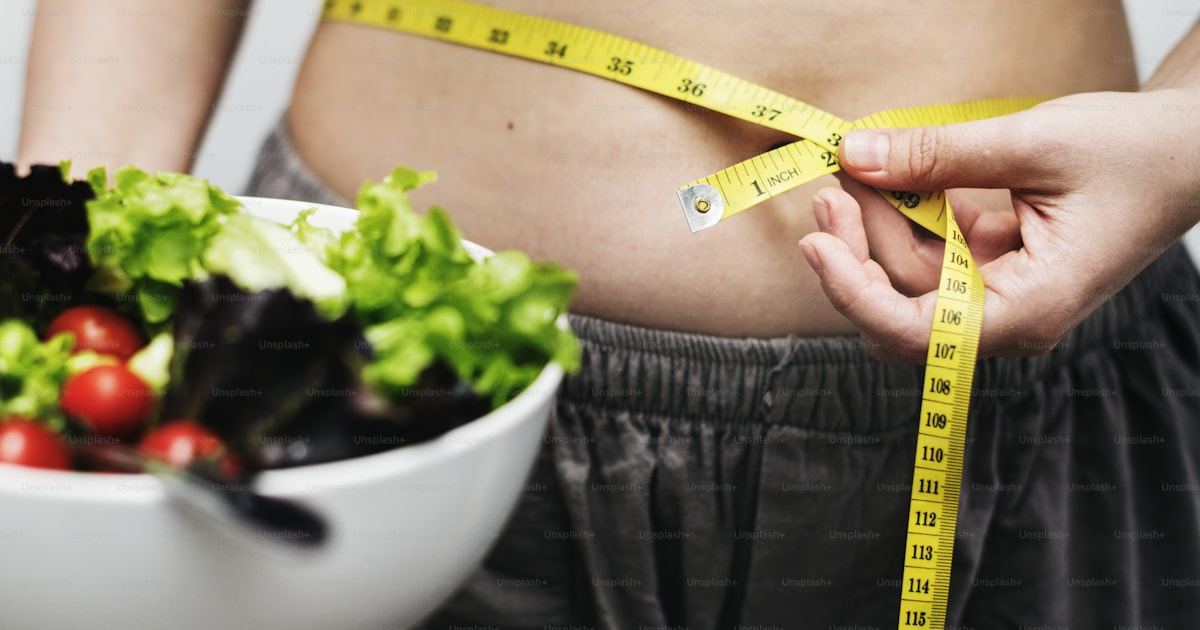
Polycystic ovary syndrome is the most common hormonal disorder in women of reproductive age, and by some distance the commonest reason a woman does not ovulate regularly. It is also, encouragingly, among the most treatable causes of infertility we see. The frustration for most patients is not the treatment but the diagnosis: irregular periods get normalised for years, weight gain is blamed on diet alone, and the condition is only recognised when a couple starts trying for a baby. This guide explains how PCOS and pregnancy relate to each other, what the tests show, and the steps that restore ovulation in most women.
What PCOS Actually Is
Despite the name, PCOS is not really a disease of cysts. What the ultrasound shows are many small immature follicles that have started to develop but stalled before releasing an egg. The underlying problem is hormonal.
Three features drive it, and they reinforce each other:
- Insulin resistance. The body's cells respond poorly to insulin, so the pancreas produces more of it. High insulin stimulates the ovaries to make more androgens.
- Raised androgens. Higher levels of male-type hormones interfere with follicle maturation and cause acne, excess facial and body hair, and scalp hair thinning.
- Disrupted ovulation. Follicles start growing but none becomes dominant, so no egg is released. Periods become infrequent, unpredictable or absent.
Because insulin resistance sits at the centre, PCOS is as much a metabolic condition as a gynaecological one. That is why the long-term risks include type 2 diabetes and cardiovascular disease, and why treatment that targets insulin often fixes the ovulation problem as a by-product.
"Treat the metabolism and the ovaries frequently sort themselves out. That is the single most useful thing to understand about PCOS."
Recognising the Signs
| Sign | What it looks like |
|---|---|
| Irregular or absent periods | Cycles longer than 35 days, fewer than eight periods a year, or none at all |
| Difficulty conceiving | Often the reason a woman first seeks help |
| Excess hair growth | On the face, chin, chest, abdomen or back |
| Acne and oily skin | Particularly along the jawline, persisting past the teenage years |
| Scalp hair thinning | Male-pattern thinning at the crown or temples |
| Weight gain | Especially around the abdomen, and difficult to lose |
| Dark velvety skin patches | At the neck, armpits or groin — a visible marker of insulin resistance |
| Mood changes | Anxiety and low mood are considerably more common in PCOS |
Not every woman has every feature. Some are slim with normal skin and only irregular cycles; others have marked skin and hair changes with regular periods. Related symptoms are covered in our guide to signs of hormonal imbalance in women.
How PCOS Is Diagnosed
Diagnosis requires two of the following three, with other causes excluded:
- Irregular or absent ovulation, usually evident from the cycle history
- Clinical or biochemical signs of excess androgens — hirsutism, acne, or raised testosterone on testing
- Polycystic ovaries on ultrasound — many small follicles and increased ovarian volume
Note that the ultrasound alone is not enough. Many women have polycystic-appearing ovaries with entirely normal cycles and hormones, and they do not have the syndrome.
The tests your doctor will usually order
- Pelvic ultrasound with antral follicle count
- Total and free testosterone, and other androgens where indicated
- LH and FSH, and their ratio
- TSH and prolactin, to exclude thyroid disease and raised prolactin, which mimic PCOS — see thyroid symptoms in women
- Fasting glucose and insulin, or an oral glucose tolerance test
- Lipid profile
- AMH, which is typically high in PCOS and can be misleading if interpreted as a straightforward measure of fertility
Why PCOS Makes Conception Harder
The primary problem is simple: if no egg is released, conception cannot occur that cycle. Beyond that, several secondary factors add up.
- Unpredictable timing. Even when ovulation does happen, it is irregular, so couples miss the fertile window.
- Egg quality. High insulin and androgen levels appear to affect the maturation environment.
- Endometrial receptivity. Long gaps without ovulation change the uterine lining, which can reduce implantation.
- Higher early miscarriage rate, associated particularly with obesity and insulin resistance.
- Associated conditions such as thyroid disease and vitamin D deficiency, which are more common alongside PCOS.
The encouraging part is that most of these respond to treatment, and the majority of women with PCOS who want to conceive eventually do.
Treatment: The Order That Works
Step 1: Lifestyle and weight, which is genuinely first-line
This is not a consolation prize before "real" treatment. In women who are overweight, a reduction of just five to ten per cent of body weight restores ovulation in a substantial proportion, entirely without drugs. It also improves the response to every treatment that follows.
- Cut refined carbohydrate and sugar, not fat. White rice, maida, sugary tea and bakery items drive insulin hardest.
- Prioritise protein and fibre at every meal to blunt the glucose response.
- Move for at least thirty minutes on most days, combining walking with some resistance work, which improves insulin sensitivity independently of weight loss.
- Protect sleep; poor sleep worsens insulin resistance measurably. See causes and remedies for poor sleep.
- Correct vitamin D if deficient, and address low mood or anxiety rather than pushing through it — our guide to stress management may help.
Step 2: Medication to restore ovulation
- Letrozole is now generally the preferred first-line ovulation induction agent in PCOS, with better ovulation and live birth rates than clomiphene in most studies.
- Clomiphene citrate remains widely used and effective.
- Metformin targets insulin resistance; it helps cycle regularity and is sometimes combined with letrozole.
- Gonadotropin injections in low doses, with careful ultrasound monitoring, where tablets fail.
All of these need cycle monitoring. Unsupervised use risks multiple pregnancy and ovarian overstimulation, which is why fertility drugs should never be self-prescribed.
Step 3: Surgery, in selected cases
Laparoscopic ovarian drilling can restore ovulation in women who do not respond to tablets, and is performed through the laparoscopic surgery service. It is used selectively rather than routinely.
Step 4: IUI and IVF
Intrauterine insemination is added where tubes are open and sperm parameters are adequate. IVF is used when these steps fail, when there is an additional factor such as tubal disease or male infertility, or where age makes waiting unwise. The procedures are compared in IVF, ICSI or IUI. Women with PCOS need particularly careful stimulation protocols because of the risk of ovarian hyperstimulation, explained in IVF injections and their side effects.
PCOS in Pregnancy, and Afterwards
Once pregnant, women with PCOS have a somewhat higher risk of gestational diabetes, high blood pressure and preterm birth. This is managed, not feared: early booking, a glucose tolerance test, blood pressure monitoring and appropriate weight-gain targets. Read what happens at the first antenatal visit and how high-risk pregnancy care works.
PCOS does not end with a baby. Lifelong follow-up matters for diabetes and cardiovascular risk, and women who go long stretches without periods need treatment to protect the uterine lining even when they are not trying to conceive.
Getting Assessed in Ambikapur
If your periods are irregular, if you have been trying to conceive for six to twelve months, or if you have the skin and hair changes described above, an assessment is straightforward and worth doing. Our obstetrics and gynaecology department and IVF and fertility centre manage PCOS from diagnosis through to delivery. Related reading includes female infertility causes and tests, endometriosis and infertility and lower abdominal pain in women. Meet Dr. Ankita Bansal Goyal and Dr. Lata Goyal, see the full consultant team, browse all clinical departments, check our insurance and scheme empanelments, or book an appointment here.
"PCOS is not a barrier to motherhood for most women. It is a condition that needs to be managed in the right order, starting earlier than most people start."
Watch: Related Videos
Related health videos from the Sankalp Hospital YouTube channel.
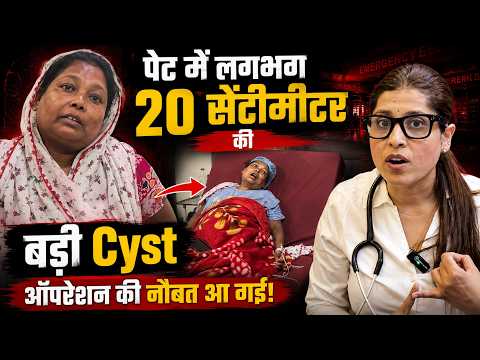 पेट में 20cm की Cyst बेटी की शादी की चिंता में जी रही थी मां | Dr Ankita Bansal Goyal
 Vaginal Swelling Causes | योनि में सूजन का कारण क्या है? | Dr. Ankita Bansal Goyal
Frequently Asked Questions
Related Articles