Emergency Support
+91 7774 223344Pregnancy Care
Navigating Pregnancy with Pre-existing Medical Conditions
Medical Disclaimer: This article is AI-assisted and intended for general informational purposes only. It does not replace professional medical advice, diagnosis, or treatment. Please consult a qualified healthcare specialist for advice specific to your condition. Read full disclaimer

Being told that your pregnancy is "high-risk" sounds like bad news. In practice it usually means something much narrower: you have a condition that needs watching, so you will be seen more often and monitored more closely. Diabetes, high blood pressure, thyroid disease, epilepsy, heart disease and kidney problems are all compatible with a healthy pregnancy and a healthy baby — provided they are known about, controlled before conception where possible, and managed jointly through the nine months. As an obstetrician in Ambikapur, the outcomes I worry about are almost never caused by the condition itself. They are caused by it being unknown, untreated, or treated by a woman who stopped her medicines because she was frightened of them.
What "High-Risk Pregnancy" Actually Means
It is a care pathway, not a prognosis. A pregnancy is classified as high-risk when a factor exists that raises the chance of complications for mother or baby. Common triggers include:
- Diabetes, hypertension, thyroid disease, epilepsy, asthma, heart, kidney or autoimmune disease
- Age under 18 or over 35
- Previous caesarean section, previous preterm birth, or previous pregnancy loss
- Twins or higher multiples
- Significant anaemia, obesity or very low body weight
- Complications appearing during this pregnancy, such as pre-eclampsia or growth restriction
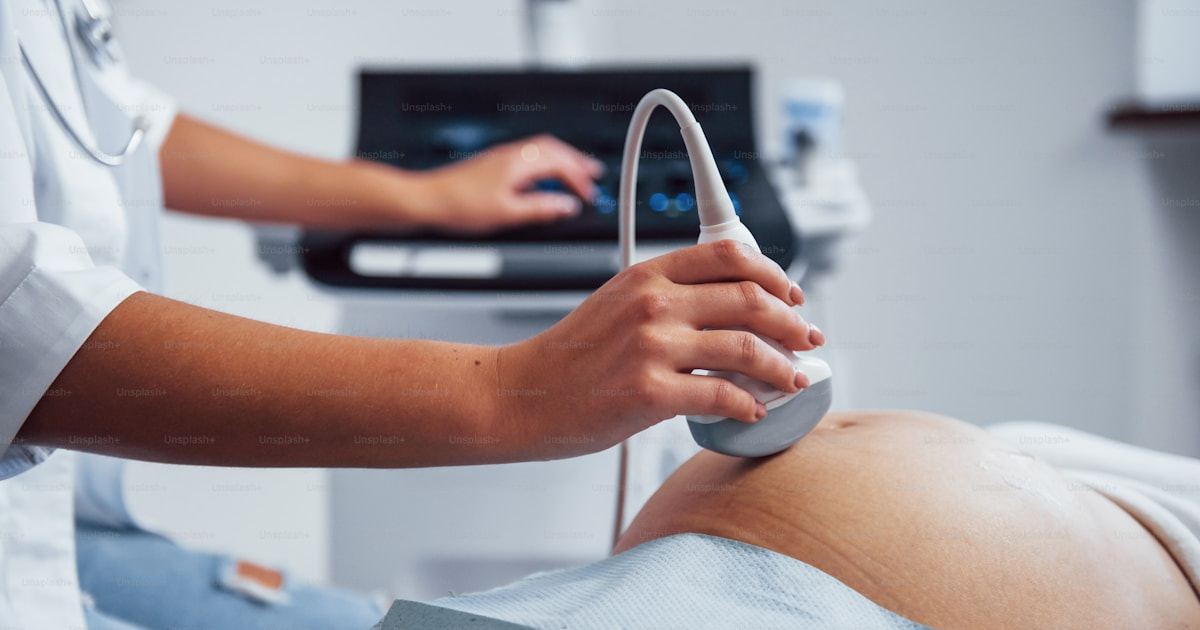
Being placed on this pathway simply means more visits, more scans, and a delivery plan made in advance rather than improvised. It starts with early booking, which is why the first antenatal visit matters so much.
"The dangerous pregnancy is not the one with diabetes. It is the one with undiagnosed diabetes."
Managing Diabetes During Pregnancy
Two different situations get grouped under the same word. Pre-gestational diabetes means you had type 1 or type 2 diabetes before conceiving. Gestational diabetes develops during pregnancy, usually in the second trimester, and is picked up on routine glucose screening.
Why control matters at each stage
- Before and around conception: high blood sugar in the first eight weeks, when organs are forming, raises the risk of birth defects. This is why pre-conception counselling is genuinely valuable for any woman with known diabetes.
- Mid-pregnancy onwards: excess glucose crosses to the baby, who responds by producing more insulin and growing large. That leads to difficult deliveries, shoulder problems at birth, and a higher caesarean rate.
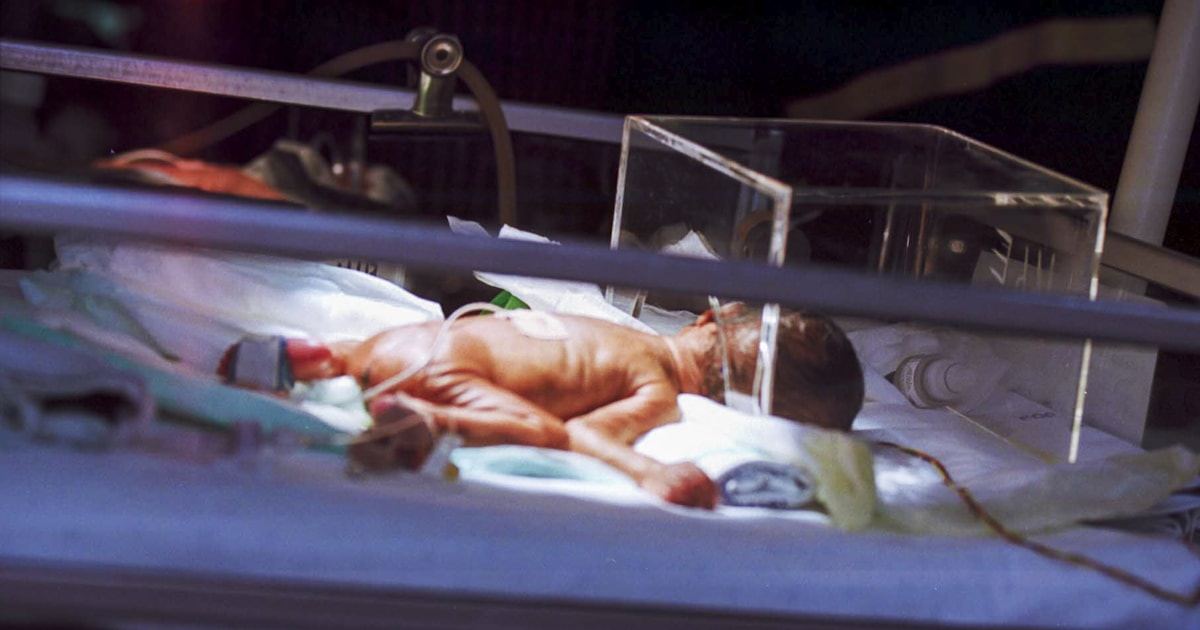
- After birth: babies of poorly controlled mothers can have low blood sugar and jaundice, and may need observation in the neonatal unit.
What management looks like in practice
| Element | What it involves |
|---|---|
| Glucose monitoring | Fasting and post-meal readings at home, reviewed at each visit |
| Diet | Structured meal plan with controlled carbohydrate portions, not starvation |
| Activity | Regular walking after meals, unless there is an obstetric reason not to |
| Medication | Insulin is the mainstay in pregnancy; some oral drugs are stopped or switched |
| Extra scans | Growth and liquor scans in the third trimester to track fetal size |
| Delivery planning | Timing decided on size, control and other factors, rather than left to chance |
Gestational diabetes usually resolves after delivery, but it is a warning marker: women who have had it carry a substantially higher lifetime risk of type 2 diabetes and should be re-tested a few months after birth and periodically thereafter.
Hypertension and Pregnancy
Blood pressure problems in pregnancy fall into a few groups, and telling them apart is the reason your booking reading is recorded so carefully.
| Type | When it appears | Key point |
|---|---|---|
| Chronic hypertension | Present before pregnancy or before 20 weeks | Medicines may need switching to pregnancy-safe options |
| Gestational hypertension | After 20 weeks, without protein in urine | Needs monitoring; can progress to pre-eclampsia |
| Pre-eclampsia | After 20 weeks, with protein in urine or organ involvement | Serious; the only definitive treatment is delivery |
| Eclampsia | Pre-eclampsia with seizures | A true obstetric emergency |
Some blood pressure medicines commonly used outside pregnancy — ACE inhibitors and angiotensin receptor blockers in particular — are not safe once you conceive and must be changed under supervision. Never stop or continue on your own; ask. General advice on managing high blood pressure still applies, but pregnancy targets and drug choices are different.
Thyroid Disease, Anaemia and Other Common Conditions
- Hypothyroidism is common and easily missed. Untreated, it affects the baby's brain development and raises the risk of miscarriage and preterm birth. Thyroxine requirements usually increase during pregnancy, so the dose you were stable on before may no longer be enough. TSH is rechecked through the pregnancy.
- Hyperthyroidism needs specialist drug selection, since not all antithyroid medicines are equally safe in each trimester.
- Anaemia is the most common condition we treat in Surguja and the most under-recognised. It causes fatigue, breathlessness and dizziness, raises the risk of preterm birth and low birth weight, and makes any bleeding at delivery far more dangerous. Iron with vitamin C, away from tea and calcium, is the basic rule; some women need intravenous iron.
- Epilepsy requires drug review, higher folic acid and careful monitoring — but uncontrolled seizures are more dangerous to a pregnancy than well-chosen medication.
- Heart and kidney disease need combined care between obstetrics and physicians, with a delivery plan agreed well in advance.
- Obesity and significant underweight both change risk and are addressed with realistic weight-gain targets rather than dieting.
High-Risk Pregnancy Care at Sankalp Hospital
Managing these pregnancies well is mostly about having the right people and facilities in one place. The obstetrics and gynaecology department in Ambikapur runs a dedicated high-risk pregnancy unit with:
- A booking assessment that assigns the correct pathway from the first visit
- Joint management with physicians for diabetes, thyroid, cardiac and kidney disease, and with our other specialty departments where needed
- Serial growth and Doppler scans, and closer blood pressure and urine monitoring
- Painless labour suites and round-the-clock obstetric and anaesthesia cover for planned or emergency caesarean
- An on-site neonatal and paediatric team with intensive care, so mother and baby are never separated across hospitals
- Blood bank and dialysis support for the rare severe complication
- Postnatal follow-up, including our Japa Sakhi postnatal care programme
An Empowered Pregnancy Journey
What separates a good outcome from a bad one in these pregnancies is rarely dramatic. It is early booking, honest disclosure of every medicine and past illness, attending each scheduled visit, and calling early rather than late when something feels wrong. Our obstetric consultants, including Dr. Rajshree Verma, Dr. Lata Goyal and Dr. Ankita Bansal Goyal, see high-risk pregnancies from across Surguja every week. You can view the full specialist team, read the trimester-by-trimester pregnancy guide, check our insurance and scheme empanelments, or book an appointment here.
"High-risk does not mean a bad outcome is coming. It means we are watching more closely so that it doesn't."
Watch: Related Videos
Related health videos from the Sankalp Hospital YouTube channel.
 Delivery के लिए Hospital Bag में क्या pack करें? Pregnancy Hospital Bag Essentials | Dr Ankita Goyal
 लास्ट मोमेंट पर C-Section छोड़ Normal Delivery चुनी! | Emotional Birth Story
Frequently Asked Questions
Related Articles