
Emergency Support
+91 7774 223344Pediatrics
Level-III NICU: What It Means When a Newborn Needs Extra Care
Medical Disclaimer: This article is AI-assisted and intended for general informational purposes only. It does not replace professional medical advice, diagnosis, or treatment. Please consult a qualified healthcare specialist for advice specific to your condition. Read full disclaimer
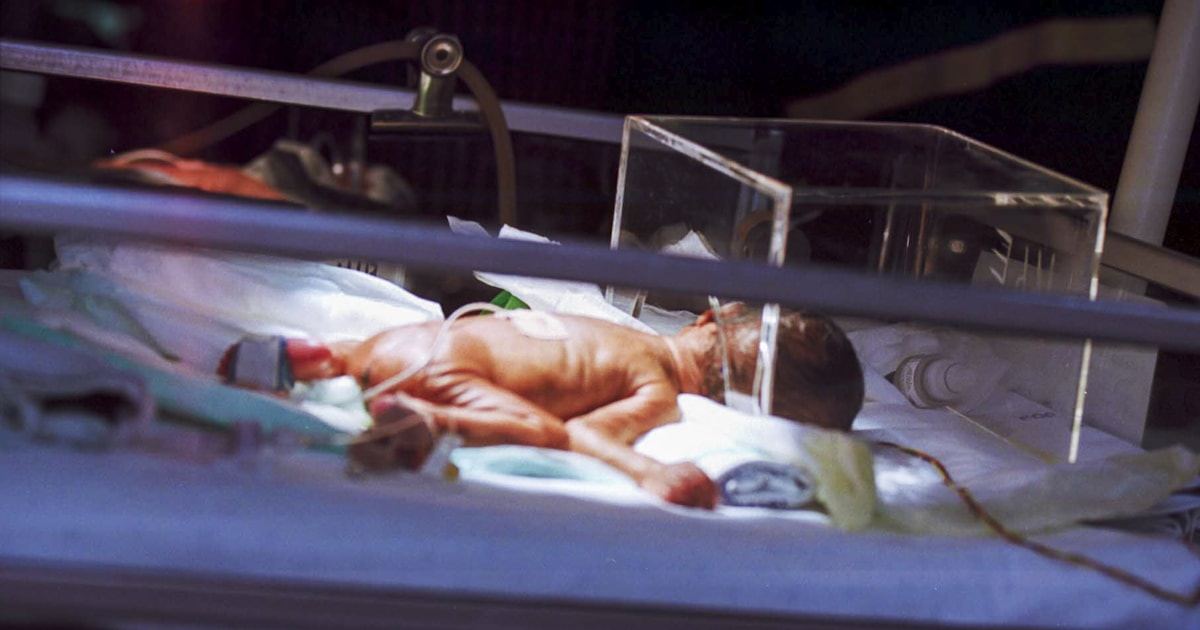
There are few sentences a new parent dreads more than "your baby needs to go to the NICU." It arrives at the most vulnerable moment imaginable, usually with very little explanation attached, and the mind fills the gap with the worst it can imagine. In reality, most babies admitted to a neonatal intensive care unit go home well. This article explains, in plain terms, what a Level 3 NICU in Ambikapur actually is, which newborns need that level of care, what the equipment around the cot is doing, and what the days will look like for you as a parent.
What "Level-III NICU" Actually Means, in Plain Terms
Newborn care units are graded by what they are equipped and staffed to handle. The levels are not marketing labels; they describe capability.
| Level | What it can manage |
|---|---|
| Level I | Healthy newborns. Basic care, feeding support, observation, resuscitation at birth. |
| Level II | Moderately unwell or moderately preterm babies. Oxygen, intravenous fluids, tube feeding, phototherapy, short-term breathing support. |
| Level III | Critically ill and very preterm babies. Mechanical ventilation, total parenteral nutrition, central lines, continuous monitoring, on-site neonatologist and surgical support. |
| Level IV | Level III plus complex neonatal surgery, including cardiac surgery and ECMO, in specialised regional centres. |
A Level-III unit is the point at which a hospital can look after a baby who cannot breathe unaided, cannot feed at all, or needs continuous intensive monitoring — without transferring them elsewhere. For families in Surguja, that difference is not abstract. It means the baby stays here, and the mother is not separated from her newborn by a two-hundred-kilometre transfer at the most fragile moment of both their lives.
"The most valuable thing a Level-III unit offers is not a machine. It is the fact that the baby does not have to travel."
Which Newborns Typically Need This Level of Care
Admission is a precaution as often as it is a crisis. The commonest reasons are:
- Prematurity. Babies born before 34 weeks, and especially before 32 weeks, usually need help with breathing, temperature and feeding until they mature.
- Low birth weight. Under about 1.8 kg, and particularly under 1.5 kg, regardless of how many weeks the pregnancy reached.
- Breathing difficulty at birth — respiratory distress syndrome, transient tachypnoea, meconium aspiration, or pneumonia.
- Birth asphyxia, where the baby did not receive enough oxygen around delivery.
- Severe jaundice needing intensive phototherapy or an exchange transfusion.
- Suspected or confirmed infection — neonatal sepsis can progress very quickly and is treated urgently.
- Low blood sugar, which is common in babies of diabetic mothers and in growth-restricted babies.
- Babies of high-risk pregnancies — maternal diabetes, pre-eclampsia, infection or a difficult delivery. Our guide on pregnancy with pre-existing medical conditions covers the antenatal side of this.
- Congenital problems identified before or after birth that need assessment or surgery.
- Twins and higher multiples, who are more often preterm or small.
What Equipment and Monitoring a NICU Stay Involves
The machines look alarming and are mostly doing simple, understandable jobs. Knowing what each one is for removes a great deal of the fear.
| Equipment | What it does |
|---|---|
| Incubator or radiant warmer | Keeps the baby warm and humidified. Newborns, especially preterm ones, lose heat very fast, and cold babies use energy they need for growing. |
| Pulse oximeter | A soft light probe on the hand or foot measuring oxygen levels and heart rate. Painless. |
| Cardiorespiratory monitor | Sticky chest leads tracking heart rate and breathing. Most alarms are movement artefact, not emergencies. |
| CPAP | Gentle continuous pressure through soft nasal prongs, keeping the lungs open so the baby breathes more easily on their own. |
| Ventilator | Breathes for the baby through a tube when they cannot do it themselves. Usually temporary. |
| Phototherapy lights | Blue light that breaks down bilirubin in jaundice. The eye shields are protective, not a sign of eye disease. |
| Intravenous lines and infusion pumps | Deliver fluids, nutrition and medicines in precisely measured amounts. |
| Nasogastric tube | A fine tube to the stomach for milk feeds until the baby can suck and swallow safely. |
| Total parenteral nutrition | Complete nutrition given into a vein when the gut is not yet ready for milk. |
What Parents Can Expect Day to Day
The rhythm of a NICU stay is more predictable than it first appears.
- Daily rounds. The neonatal team reviews every baby each morning and sets the plan for the day. Ask when rounds happen so you can be present.
- Weight checks. All babies lose weight in the first few days; regaining birth weight is one of the milestones towards discharge.
- Feeding progression. Typically intravenous nutrition, then small tube feeds, then larger tube feeds, then breast or bottle. Progress is rarely a straight line and setbacks are normal.
- Breathing support weaning. Ventilator to CPAP to oxygen to room air, usually in that order.
- Kangaroo mother care. Skin-to-skin holding, once the baby is stable, is not just comforting — it improves temperature control, feeding, weight gain and sleep, and is actively encouraged.
- Expressing milk. Mothers are supported to express from the first day even if the baby cannot feed yet. Breast milk matters more for a preterm baby than for a term one, and early, frequent expression protects the supply.
- Screening tests before discharge, which may include hearing screening, eye examination for retinopathy in preterm babies, and a newborn metabolic screen.
The four questions to ask on every round
- How is my baby today compared with yesterday?
- What are we working on right now?
- What has to happen before we can go home?
- What can I do today that helps?
How Families Are Kept Involved, Not Just Informed
Parents are not visitors in a neonatal unit. Good neonatal care depends on them being present and participating. At the paediatric and neonatal department in Ambikapur that means:
- Explanations in plain language, in Hindi or the family's preferred language, with time for questions
- Parents encouraged to touch, hold and provide kangaroo care as soon as the baby's condition allows
- Mothers supported with expression, lactation counselling and, wherever possible, accommodation nearby
- Involvement in routine care — nappy changes, temperature taking, mouth care — which builds confidence before discharge
- Discharge training in feeding, warmth, danger signs and follow-up before the baby leaves
- Structured follow-up for growth, development, immunisation and, for preterm babies, eye and hearing checks
Our neonatal service sits alongside the obstetrics and gynaecology department and its high-risk pregnancy unit, with anaesthesia cover and the 24-hour emergency department on the same campus. Mothers recovering after delivery may also want to read about the Japa Sakhi postnatal care programme.
After Discharge: What Follow-Up Looks Like
A NICU graduate needs closer follow-up than a baby who went straight home. Expect appointments for weight and feeding, developmental assessment at set ages, eye review if the baby was preterm, hearing confirmation, and the immunisation schedule, which for preterm babies follows chronological age rather than corrected age for most vaccines. As the child grows, routine vision checks before school matter more than usual, since prematurity raises the risk of refractive error and squint.
Talk to the Neonatal Team
If you are expecting a baby and have been told the pregnancy is high-risk, ask to visit the neonatal unit before delivery. Understanding the space in advance takes a great deal of the fear out of it, should it be needed. Our paediatric and neonatal consultants, Dr. Megha Goyal and Dr. Ankit Gupta, care for newborns from across Surguja. You can see the full consultant team, browse all hospital departments, read about your first antenatal visit, check our insurance and scheme empanelments, or book an appointment here.
"Your baby knows your voice already. In a unit full of equipment, being there and speaking is not a small thing — it is part of the treatment."
Watch: Related Videos
Related health videos from the Sankalp Hospital YouTube channel.
 Helmet & Seat Belt Save Lives Don't Avoid Them | Brain Injury & Paralysis Risk | Ambikapur,
 Normal Delivery से डर लग रहा था | Patient Testimonial | Dr Ankita #sankalphospital #newbornbaby
Frequently Asked Questions
Related Articles