
Emergency Support
+91 7774 223344Eye Care
The Importance of Regular Eye Check-ups for School Children
Medical Disclaimer: This article is AI-assisted and intended for general informational purposes only. It does not replace professional medical advice, diagnosis, or treatment. Please consult a qualified healthcare specialist for advice specific to your condition. Read full disclaimer
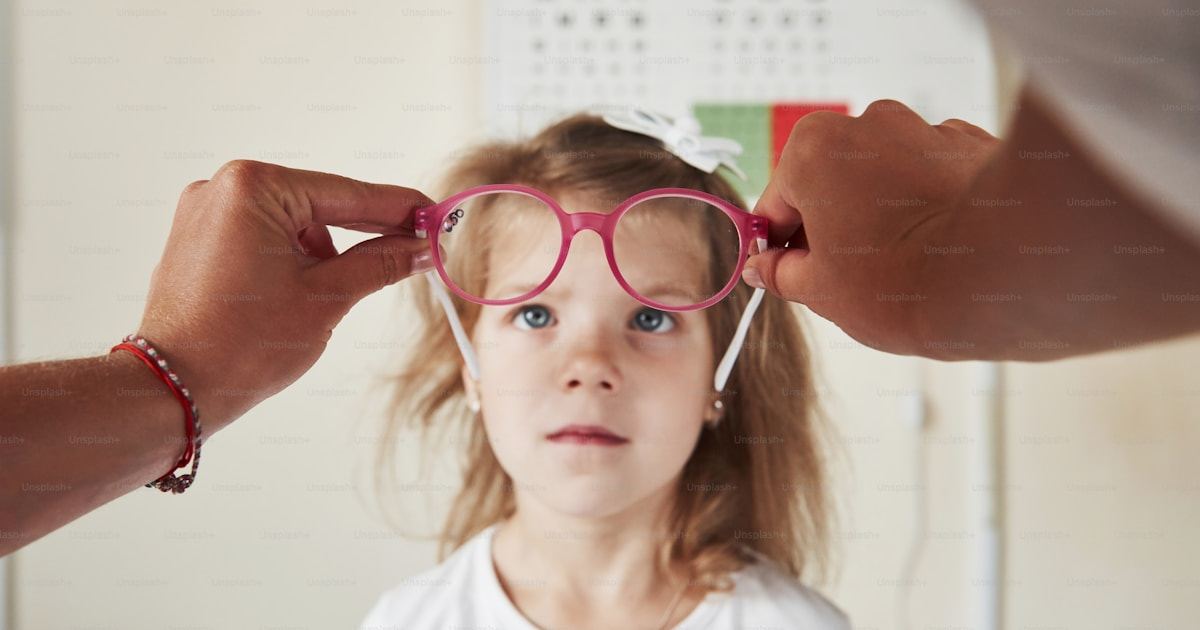
A child who cannot see the blackboard does not usually say so. They have nothing to compare their vision against, so a blurred world simply feels like the world. What they do instead is squint, sit closer, lose interest in reading, complain of headaches, or get labelled inattentive. This is why routine eye screening matters so much in school years, and why an ophthalmologist in Ambikapur will always ask about school performance before asking about symptoms. Most childhood vision problems are correctable — but only within a window that closes as the child grows.
Why Regular Eye Exams Matter for Kids
Three reasons, and the third is the one parents most often have not heard.
- Children do not report what they have always known. A ten-year-old with a moderate refractive error assumes everyone sees the way they do.
- Vision drives learning. Roughly the majority of classroom information arrives through the eyes. Uncorrected vision looks exactly like poor concentration, slow reading or a lack of interest.
- The visual system finishes developing in childhood. If one eye is not used properly in the early years, the brain suppresses it and the eye becomes lazy — amblyopia. Treated before roughly the age of seven or eight, this is usually reversible. Treated at fifteen, it often is not. That deadline is why screening cannot wait for a complaint.
"There is no such thing as a child who is too young for an eye test. There is only a child who is tested too late for the treatment to work."
Common Vision Problems in School-Aged Children
| Condition | What it is | Typical clue at home or school |
|---|---|---|
| Myopia (short sight) | Distant objects blur | Sits close to the television, squints at the blackboard, copies from a neighbour |
| Hypermetropia (long sight) | Effort needed to focus near | Avoids reading, tires quickly with homework, headaches after study |
| Astigmatism | Blur at all distances from an irregular corneal curve | Tilts or turns the head, persistent eye strain |
| Amblyopia (lazy eye) | One eye's vision does not develop | Often no sign at all — found only on testing each eye separately |
| Squint (strabismus) | Eyes not aligned | Visible misalignment, double vision, closing one eye in bright light |
| Colour vision deficiency | Difficulty distinguishing certain colours | Confusion with coloured charts; matters for future career choices |
| Convergence insufficiency | Eyes struggle to work together at near | Words appear to move, loses place while reading, near-work headaches |
Myopia deserves a special mention. It is rising sharply in Indian children, and the two factors most strongly associated with it are prolonged near work and too little time outdoors. Progression matters, because high myopia in adulthood raises the lifetime risk of retinal detachment and glaucoma.
Warning Signs Parents Should Not Dismiss
- Sitting very close to the television, or holding books unusually near the face
- Squinting, frowning or tilting the head to look at something
- Rubbing the eyes frequently, outside of tiredness
- Frequent headaches, especially in the evening after school
- Complaints that words move, blur or double while reading
- Losing place while reading, or using a finger to track lines beyond the usual age
- Avoiding reading, drawing or other near tasks the child once enjoyed
- A drop in school performance with no other explanation
- One eye that turns in or out, even occasionally or only when tired
- Watering, redness or unusual sensitivity to light
- Clumsiness, poor hand-eye coordination or difficulty with ball games
When to Schedule an Eye Check
| Age | What is checked |
|---|---|
| Newborn | Red reflex and basic examination as part of the newborn check |
| 6–12 months | Eye alignment, tracking, red reflex |
| 3–4 years | First formal vision assessment, using picture charts if the child cannot read |
| Before starting school | Full refraction and alignment check — the most important single test |
| Every 1–2 years through school | Routine review; annually if the child wears glasses |
| Any time a warning sign appears | Do not wait for the next scheduled check |
Children who are premature, who had a low birth weight or a stay in the neonatal intensive care unit, or who have a family history of squint, high spectacle power or childhood eye disease, should be screened earlier and more often.
Paediatric Eye Care at Sankalp Hospital
Testing a child's eyes is not simply an adult test done smaller. The ophthalmology department in Ambikapur offers:
- Age-appropriate vision testing using picture and matching charts for children who cannot yet read letters
- Cycloplegic refraction — drops that relax the focusing muscle, which is essential in children because a strong focusing reflex hides long sight on a standard test
- Squint and binocular vision assessment, including cover testing and stereopsis
- Amblyopia management with glasses, patching or atropine therapy, followed up until vision is equal
- Computerised diagnostics and a modular ophthalmic operating theatre for children who need surgery
- Coordination with our paediatrics department where an eye finding points to a wider condition such as diabetes or a neurological problem
Encouraging Healthy Vision Habits
- Two hours outdoors a day. Outdoor light is the best-supported protective factor against myopia progression in children.
- The 20-20-20 rule. Every 20 minutes of near work, look at something about 20 feet away for 20 seconds.
- Screen limits by age, and no screens in the hour before bed — this protects both eyes and sleep quality.
- Read in good light, sitting upright, with the book about a forearm's length away — never lying down or in a moving vehicle.
- Wear the glasses that are prescribed. Glasses do not weaken eyes; leaving a power uncorrected is what causes strain and, in young children, amblyopia.
- Feed the eyes properly. Green leafy vegetables, carrots, eggs, milk and seasonal fruit supply the vitamin A that protects the surface of the eye.
- Protective eyewear for sports, and immediate review after any eye injury at the emergency department.
Book a Children's Eye Check
If your child shows any warning sign, or has simply never had a formal eye test, book one now rather than at the next school health camp. Our eye specialists, Dr. Sanjay Goyal and Dr. Akshaya Goyal, run paediatric vision clinics alongside adult services including cataract surgery, glaucoma management and diabetic retinopathy care. Parents may also find our guides on monsoon conjunctivitis and the childhood vaccination schedule useful. See the full specialist team, browse all clinical departments, check our insurance and scheme empanelments, or book an appointment here.
"Children adapt to poor vision so well that the adaptation is the symptom. Test the eyes, not the complaints."
Watch: Related Videos
Related health videos from the Sankalp Hospital YouTube channel.
 Normal Delivery से डर लग रहा था | Patient Testimonial | Dr Ankita #sankalphospital #newbornbaby
 Low Amniotic Fluid Pregnancy | Second Opinion Saved My Baby | Sankalp Hospital Testimonial
Frequently Asked Questions
Related Articles