
Emergency Support
+91 7774 223344IVF & Fertility
The AMH Test and Ovarian Reserve: What Your Result Really Means
Medical Disclaimer: This article is AI-assisted and intended for general informational purposes only. It does not replace professional medical advice, diagnosis, or treatment. Please consult a qualified healthcare specialist for advice specific to your condition. Read full disclaimer
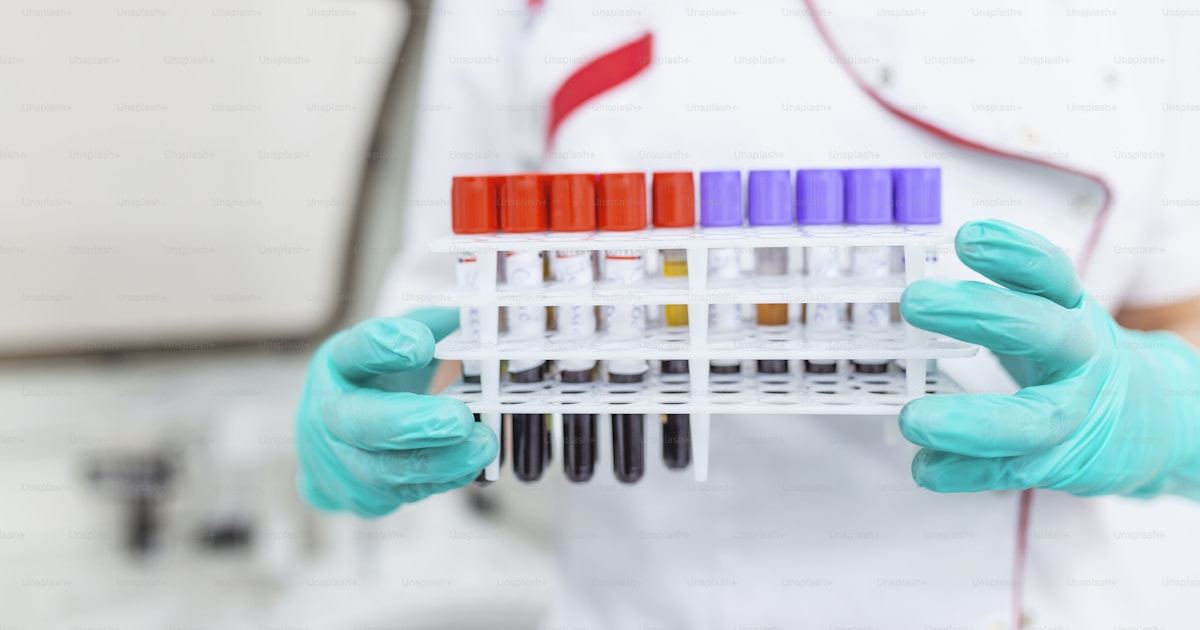
Few numbers cause as much unnecessary distress as a low AMH result. A woman gets a report with a figure on it, searches the internet, reads the phrase "diminished ovarian reserve", and concludes she cannot have children. In most cases that conclusion is simply wrong. The AMH test is genuinely useful, but it answers a narrower question than most people think, and understanding exactly what it measures — and what it does not — changes how you should react to your result.
What AMH Is and What It Measures
Anti-Müllerian hormone is produced by the small developing follicles in the ovaries. The more of these small follicles a woman has, the higher her AMH. So the test is, in effect, a headcount of the eggs remaining in the reserve pool.
Its practical advantages are real:
- It can be taken on any day of the cycle, unlike day 2–3 FSH.
- It is relatively stable from month to month.
- It predicts how the ovary will respond to stimulation drugs better than any other single test.
It is usually interpreted alongside the antral follicle count, an ultrasound count of visible small follicles. The two together give a much better picture than either alone.
"AMH counts eggs. It does not grade them. That single distinction explains almost every misunderstanding about this test."
What AMH Cannot Tell You
This is the part that gets lost, and it matters more than the number itself.
| AMH does tell you | AMH does not tell you |
|---|---|
| Roughly how many eggs remain in the pool | Whether those eggs are chromosomally normal |
| How the ovaries are likely to respond to IVF stimulation | Whether you can conceive naturally this month |
| Whether a strong or weak response should be planned for | Whether your tubes are open or your partner's sperm is normal |
| A rough indication of how close menopause may be | The exact age at which you will reach menopause |
The critical point: egg quality is determined mainly by age, not by AMH. A woman of thirty with a low AMH has fewer eggs, but the ones she has are still thirty-year-old eggs, with a thirty-year-old's chance of being chromosomally normal. A woman of forty-two with a reassuringly high AMH has plenty of eggs, but they are forty-two-year-old eggs. That is why age remains the strongest predictor of outcome, as explained in IVF success rate by age.
How to Read the Result
Laboratories report AMH in different units, and reference ranges vary between assays, so always interpret your result against the range printed on your own report rather than a figure found online. Broadly, results fall into these bands.
| Band | What it suggests | Implication for treatment |
|---|---|---|
| Very high | Often polycystic ovaries; many small stalled follicles | Strong response likely; stimulation must be gentle to avoid hyperstimulation |
| Normal for age | Reserve appropriate to age | Standard stimulation protocol expected to work well |
| Low for age | Fewer eggs remaining than typical | Fewer eggs likely at collection; do not delay treatment |
| Very low | Significantly diminished reserve | Individualised protocols; realistic counselling; sometimes donor eggs discussed |
In polycystic ovary syndrome, AMH is characteristically high and should not be read as a sign of superior fertility — it reflects stalled follicles. This is covered in our guide to PCOS and fertility.
What Lowers AMH
- Age — the dominant factor by far.
- Genetics and family history. If your mother had an early menopause, your own timeline may be earlier.
- Ovarian surgery, particularly removal of endometriomas or ovarian cysts. See endometriosis and infertility.
- Chemotherapy and pelvic radiotherapy. Fertility preservation should be discussed before cancer treatment begins; our oncology department raises this with younger patients.
- Smoking, which is associated with earlier ovarian ageing.
- Certain autoimmune and genetic conditions, including fragile X premutation and Turner mosaicism.
- Severe endometriosis affecting the ovaries.
- Hormonal contraception can temporarily lower the reading, so mention it when your sample is taken.
- Low vitamin D has been associated with lower readings in some studies.
Who Should Have the Test
- Women being assessed for infertility, as part of the standard workup
- Before planning IVF, to choose the stimulation protocol and dose
- Women considering egg freezing or delaying pregnancy
- Before cancer treatment, when fertility preservation is being discussed
- Women with a family history of early menopause
- Women who have had ovarian surgery
- Women with irregular cycles, alongside other hormone tests
It is less useful as a general screening test for women not currently trying to conceive and not planning treatment, because a result on its own rarely changes what they should do — and frequently causes anxiety out of proportion to its meaning.
What to Do If Your AMH Is Low
The instinct is to search for something that will raise the number. Be sceptical of anything promising that. What genuinely helps is a change of strategy, not a supplement.
- Do not delay. This is the single most important response. Low reserve means fewer eggs and, usually, a shorter window. Time is the resource you are short of.
- Complete the rest of the workup. AMH is one test. Tubal status and semen analysis matter just as much — see the HSG test and male infertility.
- Stop smoking entirely, and limit alcohol.
- Correct thyroid function, vitamin D and blood sugar.
- Discuss individualised stimulation. Low-reserve patients often do better with tailored protocols than with maximum doses.
- Consider embryo or egg banking across several cycles to accumulate embryos before transfer. See embryo freezing and frozen transfer.
- Ask about donor eggs if your specialist raises it. It is a conversation, not a verdict, and knowing the option exists reduces pressure rather than adding to it.
Getting Tested in Ambikapur
An AMH test is a single blood sample that can be taken on any day of your cycle, and it is most useful when interpreted alongside an antral follicle count and the rest of the fertility workup. Our IVF and fertility centre and obstetrics and gynaecology department run the full assessment for both partners in a single cycle. Related reading includes female infertility causes and tests, how to prepare for an IVF cycle and common IVF myths. Meet Dr. Lata Goyal and Dr. Ankita Bansal Goyal, see the full consultant team and all clinical departments, check our insurance and scheme empanelments, or book a consultation here.
"Do not let a single number make a decision that belongs to a whole assessment. AMH is a chapter, not the book."
Watch: Related Videos
Related health videos from the Sankalp Hospital YouTube channel.
 पेट में 20cm की Cyst बेटी की शादी की चिंता में जी रही थी मां | Dr Ankita Bansal Goyal
 Vaginal Swelling Causes | योनि में सूजन का कारण क्या है? | Dr. Ankita Bansal Goyal
Frequently Asked Questions
Related Articles