Emergency Support
+91 7774 223344IVF & Fertility
Male Infertility: Low Sperm Count Causes, Tests and Treatment
Medical Disclaimer: This article is AI-assisted and intended for general informational purposes only. It does not replace professional medical advice, diagnosis, or treatment. Please consult a qualified healthcare specialist for advice specific to your condition. Read full disclaimer

In a great many households across Surguja, the sequence when a couple does not conceive is entirely predictable. The woman is taken for tests. Then more tests. Then a scan, and perhaps a procedure. Months pass, sometimes years, and the man is never examined at all. This is not just unfair; it is medically irrational. Male factors are responsible for around a third of infertility on their own and contribute to a further share in combination with female factors, and a semen analysis is one of the fastest, cheapest tests in the entire workup. This guide explains low sperm count causes and treatment, and what men can realistically expect from an assessment.
What "Male Infertility" Actually Covers
Male fertility depends on three things working: producing enough healthy sperm, delivering them, and those sperm being able to fertilise an egg. Problems fall into four broad groups.
| Problem | Medical term | What it means |
|---|---|---|
| Too few sperm | Oligozoospermia | Concentration below the reference range |
| No sperm at all | Azoospermia | None found in the ejaculate; may still be retrievable from the testis |
| Poor movement | Asthenozoospermia | Sperm cannot swim well enough to reach the egg |
| Abnormal shape | Teratozoospermia | Structural defects that impair fertilisation |
| Damaged genetic material | High DNA fragmentation | Normal-looking sperm carrying broken DNA; linked to failed fertilisation and miscarriage |
Importantly, none of these produce symptoms. A man with a very low count feels completely normal, has normal erections and normal ejaculation, and has no way of knowing without a test.
"There is no symptom of a low sperm count. That is precisely why it goes undiscovered for years while only one partner is being investigated."
What Causes Low Sperm Count
Medical causes
- Varicocele. Enlarged veins in the scrotum, present in a significant proportion of infertile men. It raises testicular temperature and is one of the few surgically correctable causes. It is the same underlying process described in our article on varicose veins, occurring in a different location.
- Infections. Mumps orchitis after puberty, epididymitis, prostatitis, tuberculosis and sexually transmitted infections can all damage production or block the ducts.
- Undescended testis in childhood, even if corrected later.
- Hormonal problems — low testosterone, raised prolactin, thyroid disease, pituitary disorders.
- Genetic conditions such as Klinefelter syndrome or Y chromosome microdeletions, usually found when the count is extremely low or zero.
- Obstruction of the tubes carrying sperm, from infection, injury or previous surgery including hernia repair or vasectomy.
- Diabetes, which can cause both sperm damage and retrograde ejaculation into the bladder.
- Cancer treatment. Chemotherapy and radiotherapy commonly affect production, which is why sperm freezing is offered beforehand. Our oncology department discusses this with younger patients.
Lifestyle and environmental causes
- Smoking and tobacco chewing — reduces count, motility and increases DNA damage.
- Alcohol in regular or heavy amounts.
- Heat exposure — long hours driving, working near furnaces or engines, frequent hot baths, laptops on the lap, tight underwear.
- Obesity, which alters the hormonal balance and raises scrotal temperature.
- Anabolic steroids and testosterone supplements. A common and badly underestimated cause. Taking external testosterone shuts down the body's own sperm production, sometimes for many months.
- Pesticides, heavy metals, solvents and industrial chemicals in occupational exposure.
- Certain medicines, including some used for hair loss, ulcers, blood pressure and depression.
- Chronic sleep deprivation and severe stress.
The Semen Analysis: What It Measures and How to Do It Properly
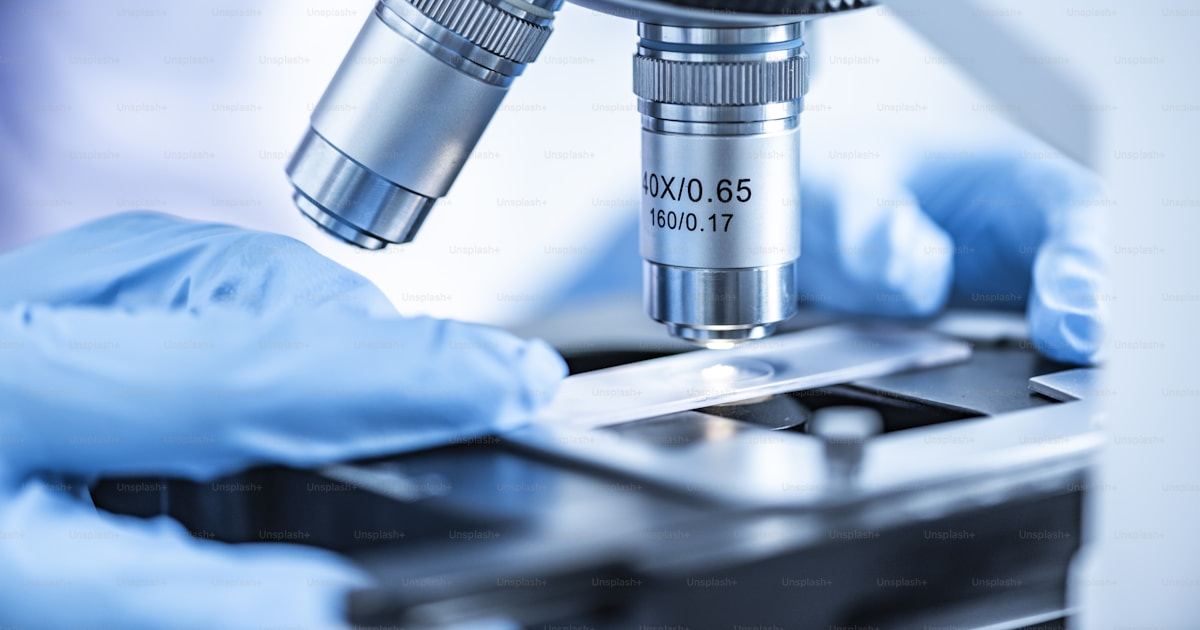
This is the cornerstone test, and it is straightforward. A sample is produced by masturbation into a sterile container, either at the clinic or at home if it can reach the laboratory within about an hour at body temperature.
Preparation matters
- Two to five days of abstinence before the sample — not less, not much more.
- No lubricants or saliva, which kill sperm.
- Collect the whole sample, especially the first part, which is the most sperm-rich.
- Avoid a sample during or just after a fever or illness, which temporarily depresses the count.
What the report tells you
| Parameter | What it means |
|---|---|
| Volume | Amount of fluid; a very low volume may suggest obstruction or retrograde ejaculation |
| Concentration | Sperm per millilitre — the headline "count" |
| Total motile count | The most clinically useful figure: how many moving sperm there are in total |
| Progressive motility | The percentage swimming forward purposefully |
| Morphology | The percentage with normal shape |
| Vitality | The percentage alive, useful when motility is very low |
| White cells | Raised numbers suggest infection or inflammation |
Tests that may follow
Hormone profile including testosterone, FSH, LH and prolactin; scrotal ultrasound to look for a varicocele or obstruction; sperm DNA fragmentation testing in cases of recurrent miscarriage or repeated IVF failure, discussed in our guide to recurrent miscarriage; genetic testing and karyotype where the count is extremely low or zero; and post-ejaculation urine analysis where retrograde ejaculation is suspected.
Treatment Options
1. Correct what is correctable
Treating infection, correcting thyroid or prolactin abnormalities, controlling diabetes, stopping an offending medication and eliminating anabolic steroid use often produce meaningful improvement within a few months. Because sperm take around seventy-two to ninety days to mature, no change shows on a report before about three months.
2. Lifestyle change, with realistic expectations
Stop tobacco entirely. Reduce alcohol. Lose weight if overweight. Avoid prolonged heat. Sleep properly. Eat a diet with adequate protein, fruit, vegetables, nuts and zinc. These measures reliably help mild to moderate problems and are worth three months of genuine effort; they will not overcome a genetic cause or a complete obstruction.
3. Surgery
Varicocele repair can improve semen parameters in appropriately selected men. Obstruction can sometimes be corrected surgically. Where sperm are being produced but not appearing in the ejaculate, they can often be retrieved directly from the testis or epididymis for use in ICSI.
4. Assisted reproduction
Where parameters are mildly reduced and the female partner's tubes are open, intrauterine insemination may be tried first. For moderate to severe male factor, ICSI is the definitive answer: a single viable sperm is injected directly into each egg, so even a very low count can achieve fertilisation. This has transformed the outlook for male infertility over the past three decades.
Get Tested Early, Not Last
Both partners should be assessed from the very first visit. It costs little, takes days rather than months, and it frequently changes the entire treatment plan. Our IVF and fertility centre in Ambikapur evaluates couples together, with support from the urology service where surgical assessment is needed. Related reading includes female infertility causes and tests, IVF success rate by age and common IVF myths. Meet our fertility specialists Dr. Lata Goyal and Dr. Ankita Bansal Goyal, see the full consultant team and all clinical departments, check our insurance and scheme empanelments, or book a consultation here.
"A semen analysis takes three days to arrange and a few hundred rupees. Not doing it is the most expensive decision in the whole process."
Watch: Related Videos
Related health videos from the Sankalp Hospital YouTube channel.
 IVF के बारे में 5 सबसे बड़े मिथक | IVF Success Rate, Age, Cost & Hormones
 Dr Lata Goyal talk on Infertility | Sankalp Hospital
Frequently Asked Questions
Related Articles