Emergency Support
+91 7774 223344IVF & Fertility
IVF, ICSI or IUI: Understanding Fertility Treatment Options Without the Jargon
Medical Disclaimer: This article is AI-assisted and intended for general informational purposes only. It does not replace professional medical advice, diagnosis, or treatment. Please consult a qualified healthcare specialist for advice specific to your condition. Read full disclaimer
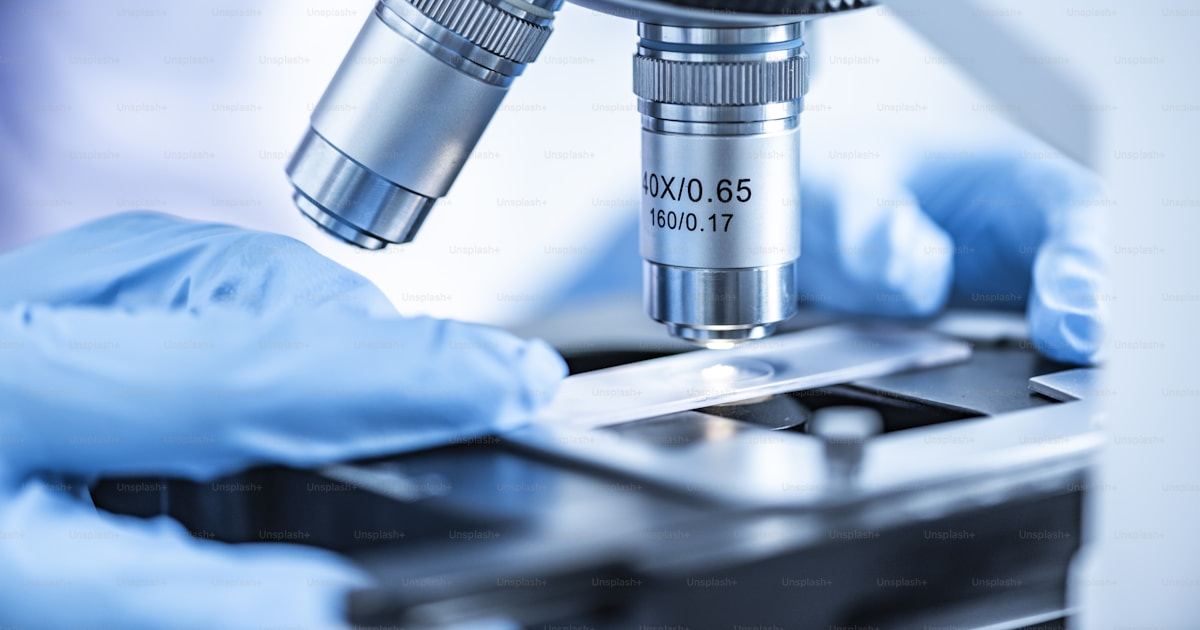
Couples who start researching fertility treatment usually meet the same three acronyms within about ten minutes — IUI, IVF and ICSI — and almost never find a plain explanation of what separates them. They are not three brands of the same thing, and they are not a ladder you climb in order. They are three different procedures that solve three different problems. Understanding the IVF, ICSI and IUI difference is the single most useful thing a couple can do before their first consultation, because it turns a bewildering conversation into an informed one.
Why "Fertility Treatment" Is Not One Single Procedure
Conception requires a sequence of events, each of which can fail independently. An egg must be released. Sperm must reach it in adequate number and quality. Fertilisation must occur. The resulting embryo must travel down a clear fallopian tube. It must then implant in a receptive uterus.
Fertility treatment is simply the business of identifying which step is failing and replacing or bypassing it. That is why the workup comes first and the treatment name comes second — and why two couples with identical "unexplained infertility" on paper may be offered completely different plans.
| Step that fails | What is typically offered |
|---|---|
| Egg is not released regularly | Ovulation induction, with or without IUI |
| Sperm cannot reach the egg in sufficient numbers | IUI |
| Fallopian tubes are blocked or damaged | IVF (bypasses the tubes entirely) |
| Sperm cannot fertilise the egg | ICSI |
| Embryo fails to implant repeatedly | Uterine assessment, then IVF with additional measures |
"The question is never 'should we do IVF'. The question is 'which step is failing' — and the answer names the treatment."
IUI: What It Involves and When It Is Tried First
Intrauterine insemination is the simplest of the three. Prepared, concentrated sperm is placed directly into the uterus at the time of ovulation, cutting out the journey through the cervix and giving a larger number of good-quality sperm a head start.
The process
- Cycle monitoring or mild stimulation. Tablets or low-dose injections encourage one or two follicles to develop, tracked by ultrasound.
- Trigger injection. Given when a follicle reaches the right size, to time ovulation precisely.
- Semen collection and preparation. The sample is washed in the laboratory to concentrate the most motile sperm and remove debris and seminal fluid.
- Insemination. A fine catheter places the prepared sperm into the uterus. It takes a few minutes, needs no anaesthesia, and feels similar to a cervical smear.
- Two-week wait, then a pregnancy test.
When IUI is a sensible first choice
- At least one fallopian tube is confirmed open
- Sperm parameters are mildly reduced, not severely abnormal
- Ovulation problems such as PCOS that respond to tablets
- Cervical factor, or difficulty with intercourse
- Unexplained infertility in a younger woman
IUI is inexpensive, quick and low-intervention. Its per-cycle success rate is modest, and most clinics recommend moving on after three to four unsuccessful cycles rather than repeating it indefinitely.
IVF: The Basic Process, Step by Step
In-vitro fertilisation moves fertilisation out of the body. Eggs are collected, combined with sperm in the laboratory, and the resulting embryo is placed back into the uterus. It bypasses the fallopian tubes completely, which is why it is the definitive answer to tubal blockage.
| Stage | What happens | Typical duration |
|---|---|---|
| 1. Ovarian stimulation | Daily hormone injections encourage multiple follicles to mature instead of the usual one | 8–12 days |
| 2. Monitoring | Serial ultrasound scans and blood hormone levels track follicle growth and adjust doses | Throughout stimulation |
| 3. Trigger and egg retrieval | A final injection matures the eggs; they are collected about 34–36 hours later through the vagina under ultrasound guidance and short sedation | 15–20 minutes |
| 4. Fertilisation | Eggs and prepared sperm are placed together in a dish and left to fertilise naturally | Overnight |
| 5. Embryo culture | Embryos are grown in a controlled incubator and graded daily | 3–5 days |
| 6. Embryo transfer | A fine catheter places one embryo (usually) into the uterus — painless and needs no anaesthesia | A few minutes |
| 7. Luteal support and test | Progesterone support, then a blood pregnancy test | About 2 weeks |
When IVF is the right option
- Blocked, damaged or surgically removed fallopian tubes
- Moderate to severe endometriosis
- Reduced ovarian reserve, or advancing maternal age
- Failure of several IUI cycles
- Unexplained infertility of long duration
- When genetic testing of embryos is indicated
Surplus good-quality embryos can be frozen, which means a second attempt may not require a full stimulation cycle again — an important practical and financial point that couples are often not told early enough.
ICSI: How It Differs From Standard IVF
Intracytoplasmic sperm injection is not a separate treatment from IVF. It is a laboratory step used within an IVF cycle. Everything else — stimulation, egg retrieval, embryo culture, transfer — is identical. The difference is one moment.
In conventional IVF, roughly fifty to a hundred thousand prepared sperm are placed around each egg and fertilisation happens on its own. In ICSI, an embryologist selects a single sperm under high magnification and injects it directly into the egg with a micro-needle. Fertilisation is no longer left to the sperm's own ability to penetrate the egg.
| Conventional IVF | ICSI | |
|---|---|---|
| How fertilisation happens | Sperm penetrates the egg unaided | One selected sperm is injected into the egg |
| Sperm needed | Large numbers of motile sperm | One viable sperm per egg |
| Main indication | Tubal, ovulatory or unexplained factors | Male factor infertility |
| Rest of the cycle | Identical — same injections, retrieval, culture and transfer | |
When ICSI is used
- Very low sperm count, poor motility or abnormal morphology
- Sperm retrieved surgically from the testis or epididymis
- Previous IVF cycle with poor or failed fertilisation
- Frozen or very limited sperm samples
- High sperm DNA fragmentation
- Very few eggs collected, where fertilisation cannot be left to chance
How a Doctor Decides Which Option to Recommend First
The decision rests on the workup, not on preference. The main inputs are:
- Tubal status, usually from a hysterosalpingogram or laparoscopy. Blocked tubes take IUI off the table entirely.
- Semen analysis, repeated if abnormal. This is the main determinant of IVF versus ICSI.
- Ovarian reserve, from AMH and antral follicle count, which predicts response to stimulation.
- The woman's age, the strongest single predictor of success and the main reason not to spend years on lower-intensity options.
- Duration of infertility and any previous treatment.
- Uterine anatomy — fibroids, polyps, adhesions or a septum may need correcting first, often by minimally invasive laparoscopic surgery, before any transfer.
- Coexisting conditions such as thyroid disease, diabetes, obesity or endometriosis, which are optimised before treatment.
A younger woman with open tubes, normal semen parameters and irregular ovulation will usually be offered ovulation induction with IUI first. A woman of thirty-eight with blocked tubes and low ovarian reserve will be advised to go directly to IVF, because spending a year on IUI would cost her the very thing she has least of — time.
What the First Fertility Consultation Actually Covers
Nothing invasive, and no commitment. A first visit at our IVF and fertility centre in Ambikapur typically includes:
- A detailed history from both partners, including cycle pattern, previous pregnancies, surgeries, illnesses and medications
- Physical examination and a baseline pelvic ultrasound with antral follicle count
- Blood tests — AMH, thyroid function, prolactin, blood sugar, and infection screening
- A semen analysis for the male partner
- Tubal assessment arranged if indicated
- A discussion of realistic success rates for your age and diagnosis, the options available, and what each would cost
You should leave with a written plan, not a sales pitch. Common myths that come up in that conversation are addressed in our article on IVF myths for couples in Chhattisgarh, and the basics are covered in this guide to the causes, symptoms and treatment of infertility.
After a Positive Test
A fertility pregnancy is still a pregnancy, and the care that follows matters as much as the treatment that started it. Early booking with our obstetrics and gynaecology department sets up dating, supplements and monitoring — see what happens at the first antenatal visit and, where a medical condition already exists, how high-risk pregnancy care works. Delivery is supported by painless labour suites and an on-site neonatal and paediatric team with a Level-III NICU.
Talk to a Fertility Specialist
If you have been trying for twelve months without success, or six months if the female partner is thirty-five or older, book an assessment. Our fertility team, Dr. Lata Goyal and Dr. Ankita Bansal Goyal, sees couples from across Surguja and neighbouring districts. You can view the full consultant team, browse all hospital departments, check our insurance and scheme empanelments, look through the patient FAQs, or book a fertility consultation here.
"IUI, IVF and ICSI are not better or worse than each other. They are answers to different questions. Get the diagnosis right and the choice usually makes itself."
Watch: Related Videos
Related health videos from the Sankalp Hospital YouTube channel.
 IVF के बारे में 5 सबसे बड़े मिथक | IVF Success Rate, Age, Cost & Hormones
 Dr Lata Goyal talk on Infertility | Sankalp Hospital
Frequently Asked Questions
Related Articles