Emergency Support
+91 7774 223344Gynecology
Endometriosis and Infertility: Symptoms, Diagnosis and Treatment
Medical Disclaimer: This article is AI-assisted and intended for general informational purposes only. It does not replace professional medical advice, diagnosis, or treatment. Please consult a qualified healthcare specialist for advice specific to your condition. Read full disclaimer
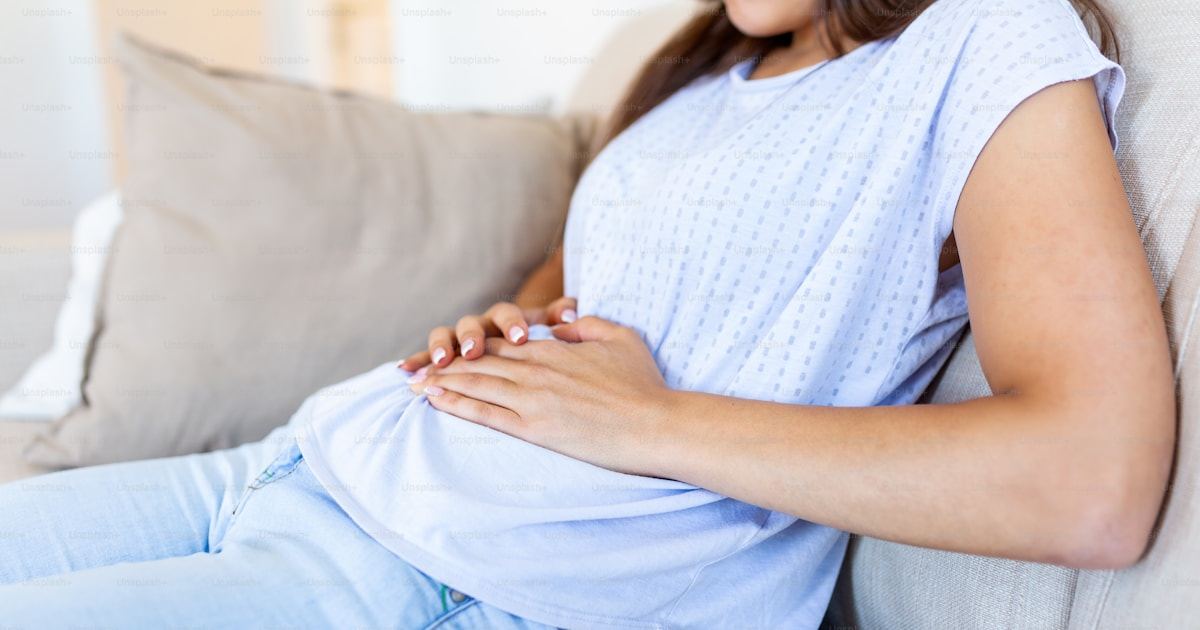
There is a sentence that delays the diagnosis of endometriosis more than any test result ever could: "period pain is normal." Some discomfort during periods is indeed ordinary. Pain that stops a woman going to work or school, that does not respond to simple painkillers, that has been getting worse each year, is not. On average, women wait several years between their first symptoms and a diagnosis, and by then the disease has often affected fertility. This article explains the link between endometriosis and infertility, how the condition is actually diagnosed, and what treatment achieves for women trying to conceive.
What Endometriosis Is
Tissue similar to the lining of the uterus grows outside it — on the ovaries, the fallopian tubes, the ligaments supporting the uterus, the pelvic wall, the bowel or the bladder. That tissue responds to the same monthly hormonal cycle as the uterine lining: it thickens, breaks down and bleeds. But unlike a period, the blood has nowhere to escape.
The result is repeated internal bleeding, chronic inflammation, scar tissue and adhesions that stick pelvic organs together. On the ovary it can form a blood-filled cyst known as an endometrioma, or "chocolate cyst".
"The pain of endometriosis is not the period. It is inflammation from bleeding that has nowhere to go, month after month, for years."
Symptoms That Should Not Be Dismissed
| Symptom | What makes it suspicious |
|---|---|
| Severe period pain | Requires strong painkillers, interferes with work or school, has worsened over years |
| Pain before the period starts | Often begins several days ahead and continues after bleeding stops |
| Deep pain during intercourse | Felt deep inside rather than at the entrance — see our guide on pain during intercourse |
| Chronic pelvic pain | Present between periods, not only during them |
| Pain on passing stool or urine | Especially cyclical, worsening around the period |
| Heavy periods or spotting between them | A change from a woman's own previous pattern |
| Bowel symptoms around periods | Bloating, diarrhoea or constipation; frequently misdiagnosed as irritable bowel |
| Difficulty conceiving | Sometimes the only symptom, with no pain at all |
| Persistent fatigue | Common and under-recognised |
How Endometriosis Causes Infertility
It works through several mechanisms simultaneously, which is why the effect can be significant even with mild disease.
- Mechanical distortion. Adhesions can block or kink the fallopian tubes, or prevent the tube from reaching the ovary to pick up the released egg.
- Ovarian damage. Endometriomas replace healthy ovarian tissue, reducing the number of eggs available. Their removal can also reduce reserve, which is why the decision to operate is carefully weighed.
- Inflammation. The pelvic fluid in endometriosis contains inflammatory chemicals that impair sperm function, egg quality and fertilisation.
- Impaired implantation. The uterine lining appears less receptive in women with endometriosis, particularly in adenomyosis, where the tissue grows into the muscle of the uterus.
- Reduced egg quality in more advanced disease.
- Pain during intercourse, which reduces the frequency of intercourse and therefore the chance of conception.
Why Diagnosis Takes So Long
Three reasons combine. First, symptoms are normalised, by families and sometimes by doctors. Second, endometriosis has no blood test; the widely used CA-125 is neither sensitive nor specific enough for diagnosis. Third, ultrasound reliably shows endometriomas and some deep disease, but frequently misses superficial peritoneal disease entirely — so a normal scan does not exclude endometriosis.
How it is actually diagnosed
- History. Genuinely the most powerful diagnostic tool. The pattern of cyclical, worsening pain is highly suggestive.
- Clinical examination. Tenderness, nodules in the pouch of Douglas, or a fixed retroverted uterus.
- Transvaginal ultrasound. Excellent for endometriomas and deep infiltrating disease in experienced hands.
- MRI for mapping deep disease involving the bowel or bladder before surgery.
- Diagnostic laparoscopy. Direct visual inspection remains the definitive method, and allows treatment during the same procedure. It is performed through our laparoscopic surgery service using the advanced laparoscopy system.
Current practice increasingly favours starting treatment on a clinical diagnosis rather than insisting on surgery to confirm it, particularly where fertility is not the immediate concern.
Treatment When You Are Trying to Conceive
This is the crucial distinction. The hormonal treatments that control endometriosis pain most effectively — combined pills, progestins, hormonal coils, GnRH analogues — all work by suppressing ovulation. They are excellent for symptom control and useless if you are trying to become pregnant. Treatment therefore splits into two very different paths.
| Goal | Approach |
|---|---|
| Pain control, not trying to conceive | NSAIDs, combined oral contraceptives, progestins, hormonal intrauterine device, GnRH analogues with add-back therapy |
| Trying to conceive | Laparoscopic surgery in selected cases, ovulation induction with IUI, or IVF — hormonal suppression is not used |
Surgery
Laparoscopic removal or ablation of endometriotic deposits and division of adhesions improves natural conception rates in mild to moderate disease. For endometriomas the decision is more finely balanced: removing a cyst can improve access for egg collection and relieve pain, but it also removes some healthy ovarian tissue and can lower reserve. Where reserve is already low, or where the woman is older, going directly to IVF is often the better choice. Repeat surgery for recurrent endometriomas is generally avoided in women wanting to conceive.
IUI with ovulation induction
Reasonable in mild disease with open tubes and normal sperm parameters, usually for three to four cycles.
IVF
The most effective option in moderate to severe disease, in women with tubal involvement, in those with reduced ovarian reserve, and where other treatments have failed. IVF bypasses the tubes and the hostile pelvic environment entirely. In selected cases a course of hormonal suppression before the IVF cycle can improve outcomes. The procedures are compared in IVF, ICSI or IUI, and the effect of age on results is set out in IVF success rate by age.
What Helps Alongside Medical Treatment
- Take painkillers early, before the pain peaks, rather than waiting; NSAIDs work better when started in advance of the period.
- Heat applied to the lower abdomen genuinely helps many women.
- Regular exercise reduces pain scores and improves mood.
- Pelvic floor physiotherapy helps where chronic pain has caused muscle guarding.
- Address the mental health impact. Chronic pain and infertility together are a heavy load; see our guide to stress management techniques and consider talking to our mental health service.
- Keep a symptom diary mapping pain against your cycle; it is genuinely useful at consultations.
Getting Assessed in Ambikapur
If your periods are severely painful, if pain is worsening year on year, if intercourse is painful deep inside, or if you have been trying to conceive without success, ask for a proper assessment rather than another painkiller. Our obstetrics and gynaecology department offers diagnostic and operative laparoscopy, and our IVF and fertility centre manages the fertility side. Related reading includes PCOS and fertility, female infertility causes and tests and lower abdominal pain in women. Meet Dr. Ankita Bansal Goyal and Dr. Lata Goyal, see the full consultant team, browse all clinical departments, check our insurance and scheme empanelments, or book an appointment here.
"If a woman tells you her periods stop her living her life, believe her. That sentence alone should start an investigation, not end a conversation."
Watch: Related Videos
Related health videos from the Sankalp Hospital YouTube channel.
 पेट में 20cm की Cyst बेटी की शादी की चिंता में जी रही थी मां | Dr Ankita Bansal Goyal
 Vaginal Swelling Causes | योनि में सूजन का कारण क्या है? | Dr. Ankita Bansal Goyal
Frequently Asked Questions
Related Articles