Emergency Support
+91 7774 223344IVF & Fertility
How to Prepare for an IVF Cycle: A Practical Three-Month Guide
Medical Disclaimer: This article is AI-assisted and intended for general informational purposes only. It does not replace professional medical advice, diagnosis, or treatment. Please consult a qualified healthcare specialist for advice specific to your condition. Read full disclaimer

Most couples start preparing for IVF on the day the injections begin. That is roughly three months too late. An egg spends around ninety days maturing before it is released, and sperm take about seventy-two days to develop. Whatever is happening in your body during those three months is shaping the eggs and sperm that will be used in your cycle. That is the single most useful fact about how to prepare for IVF, and it turns a vague instruction to "be healthy" into a specific, finite project with a deadline.
Why Three Months
The follicles recruited for your stimulation cycle did not appear that month. They began their journey roughly three menstrual cycles earlier and have been developing in whatever hormonal and metabolic environment your body provided. The same applies on the male side, where a complete cycle of sperm production takes about two and a half months.
This means two things. First, changes made now will show their effect in your cycle. Second, a semen analysis repeated two weeks after quitting smoking will not have improved yet — and that is not a reason to conclude the change was pointless.
"The three months before a cycle are the only part of IVF that you control completely. Use them."
Month One: Medical Groundwork
Start with what is measurable and correctable. These are the things that genuinely move outcomes.
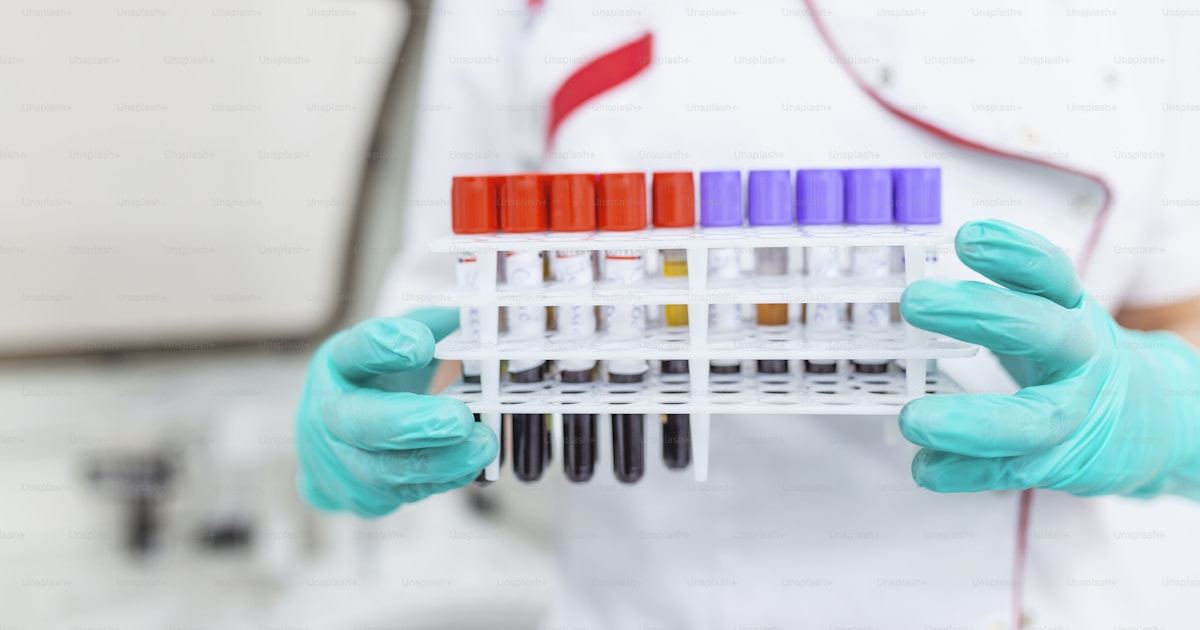
| What to check | Why it matters |
|---|---|
| Thyroid function (TSH) | Untreated hypothyroidism lowers implantation and raises miscarriage risk. Targets in pregnancy are tighter than the general population range — see thyroid symptoms in women |
| Blood sugar and HbA1c | Poor control affects egg quality and early pregnancy |
| Vitamin D | Deficiency is very common in India and is associated with lower success |
| Haemoglobin and ferritin | Anaemia is common and worth correcting before pregnancy |
| Prolactin | Raised levels disturb ovulation and are easily treated |
| Uterine cavity | Polyps, fibroids, adhesions or a septum should be dealt with before transfer, not after a failed one |
| Hydrosalpinx | A fluid-filled blocked tube lowers success and is treated first — see blocked fallopian tubes and the HSG test |
| Infection screening | Routine for both partners before treatment |
Supplements with a genuine basis
- Folic acid for the woman, started now and continued through the first trimester. This is the one non-negotiable.
- Vitamin D, at a dose based on your measured level rather than guessed.
- A basic preconception multivitamin covering B12, iodine and iron as needed.
- Your doctor may add others based on your specific situation.
Month Two: Weight, Food, Movement and Sleep
Weight
Both obesity and being significantly underweight reduce IVF success and raise complication rates. If your BMI is high, aim for gradual, sustainable loss of half a kilogram to a kilogram a week. Even a five to ten per cent reduction improves outcomes measurably, particularly in PCOS. Crash dieting during this window is counterproductive.
Food
- Build meals around protein, vegetables and whole grains. Dal, eggs, fish, chicken, paneer, curd, nuts and seasonal vegetables.
- Cut refined carbohydrate and sugar — white rice, maida, bakery items, sweetened tea. This matters most if you have insulin resistance.
- Include healthy fats from nuts, seeds, and fish.
- Reduce ultra-processed and deep-fried food rather than obsessing over any single "fertility superfood".
- Limit caffeine to about one or two cups a day.
- Drink enough water, particularly through the hot months.
Movement
Thirty to forty-five minutes of moderate activity most days improves insulin sensitivity, weight and mood. Avoid starting an extreme new training programme; very intense exercise in underweight women can suppress ovulation.
Sleep
Seven to eight hours, at consistent times. Poor sleep worsens insulin resistance and raises stress hormones. Our guide to causes and remedies for poor sleep covers the practical steps.
What Both Partners Must Stop
- Tobacco, in every form. Smoking and chewing both reduce success in women and damage sperm DNA in men. This is the single highest-value change either of you can make.
- Alcohol. Reduce substantially, ideally stop during the preparation period and the cycle itself.
- Anabolic steroids and testosterone supplements for men — these suppress sperm production, sometimes to zero. See male infertility and low sperm count.
- Recreational drugs, including cannabis, which affects sperm parameters.
- Excessive heat for men — long driving shifts, hot baths, saunas, laptops on the lap.
Month Three: Practical and Emotional Preparation
Understand the cycle before it starts
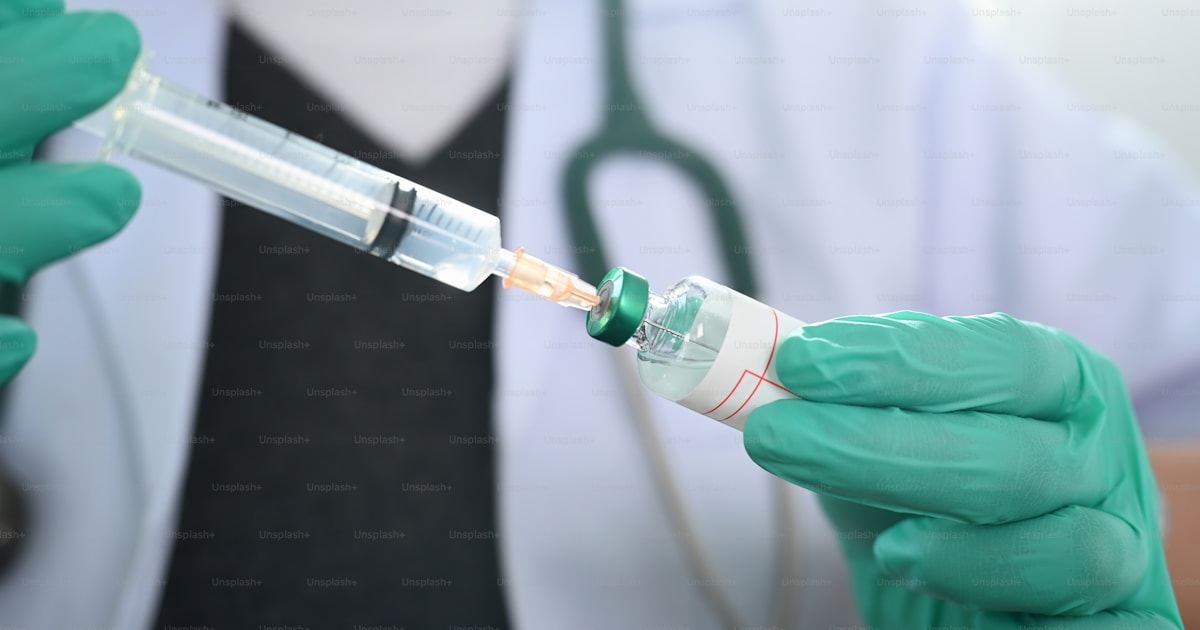
Ask your team to walk you through the schedule: how many days of injections, how often you will need scans, when egg collection is likely, and what the transfer involves. Our guides to what IVF, ICSI and IUI involve and IVF injections and their side effects cover the details.
Plan the logistics
- Monitoring visits come at short notice and cluster over about ten days. Plan work and travel around that window.
- Egg collection needs sedation, so you will need someone to accompany you and a day off.
- Injections must be given at consistent times; learn the technique properly and set alarms.
- Storage. Some medicines need refrigeration.
- Costs. Get the full estimate in writing, including medication, freezing and any additional procedures. Check our insurance and scheme empanelments.
Prepare emotionally
An IVF cycle is demanding in a way that is hard to anticipate — a compressed sequence of hope, waiting and uncertainty. Decide in advance who you will tell and who you will not, agree with your partner how you will handle a negative result, and give yourself permission to step back from social events during the difficult weeks. Our guide to stress management techniques is worth reading, and our mental health service is available if the strain becomes heavy.
What Does Not Help
- Complete bed rest after transfer. Studies show no benefit, and it may be slightly harmful. Normal light activity is advised.
- Extreme diets or fasting during the preparation window.
- Unproven "immune" treatments without a clear indication.
- Repeated internet searching for symptoms during the two-week wait, which reliably increases anxiety and tells you nothing.
- Comparing your protocol with someone else's. Doses and drugs are tailored to your reserve and response; a different plan is not a worse plan.
Starting Your Cycle in Ambikapur
The best time to begin preparation is at the consultation where IVF is first discussed, not at the one where it is scheduled. Our IVF and fertility centre in Ambikapur assesses both partners, corrects what can be corrected, and plans the protocol around your own test results. Related reading includes IVF success rate by age, the AMH test explained and embryo freezing and frozen transfer. Meet Dr. Lata Goyal and Dr. Ankita Bansal Goyal, see the full consultant team, browse all clinical departments, or book a consultation here.
"You cannot change your age or your ovarian reserve. You can change almost everything else — and three months is exactly long enough to do it."
Watch: Related Videos
Related health videos from the Sankalp Hospital YouTube channel.
 IVF के बारे में 5 सबसे बड़े मिथक | IVF Success Rate, Age, Cost & Hormones
 Dr Lata Goyal talk on Infertility | Sankalp Hospital
Frequently Asked Questions
Related Articles