Emergency Support
+91 7774 223344IVF & Fertility
IVF Injections: What They Do, Side Effects and How to Manage Them
Medical Disclaimer: This article is AI-assisted and intended for general informational purposes only. It does not replace professional medical advice, diagnosis, or treatment. Please consult a qualified healthcare specialist for advice specific to your condition. Read full disclaimer
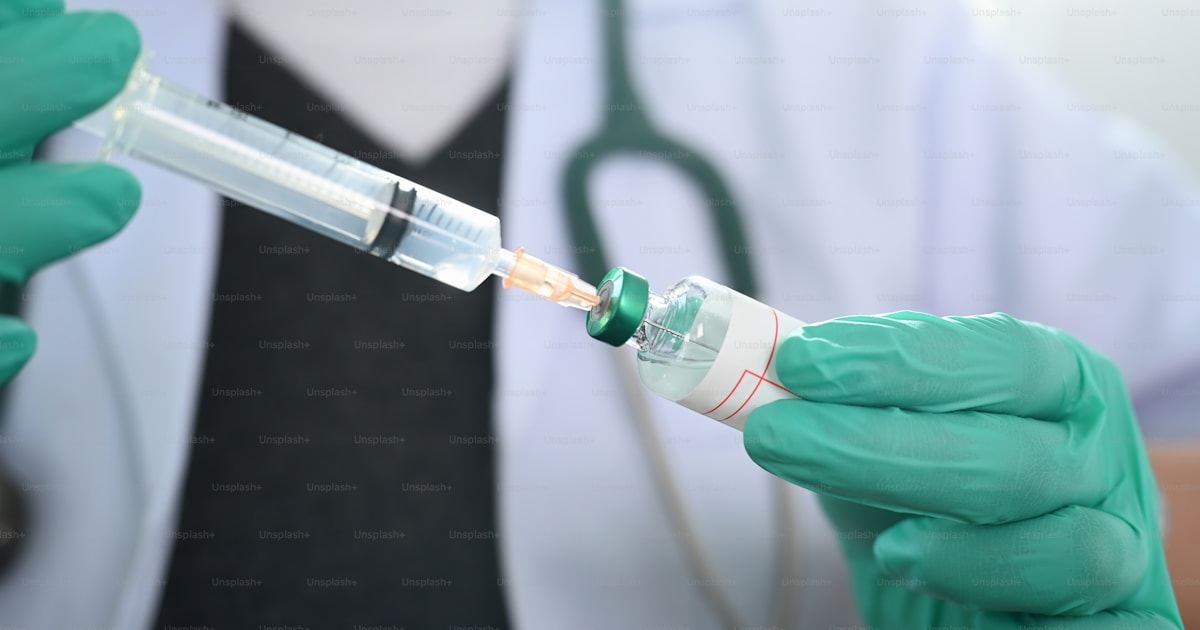
When couples list what frightens them about IVF, the injections usually come first — ahead of the egg collection, ahead even of the result. Some of that is a fear of needles. Most of it is not knowing what the drugs are doing, how they will feel, or what counts as a normal reaction versus a problem. This guide explains what each injection is for, which IVF injections side effects are expected and manageable, and the specific warning signs of ovarian hyperstimulation that everyone going through a cycle should be able to recognise.
Why Injections Are Needed at All
In a natural month, the body recruits a group of follicles and then selects just one to mature and release. The rest are discarded. IVF works by rescuing that group instead of letting it go, so that several eggs mature together and can be collected in one procedure.
The medicines are almost all injectable because they are proteins, which would be broken down in the stomach if swallowed. Nearly all are given as small subcutaneous injections into the fat of the abdomen or thigh, using a very fine needle, and most patients or their partners learn to give them at home within a day.
"The needles are the part everyone dreads and the part almost everyone says afterwards was easier than expected."
What Each Medicine Does
| Group | Purpose | Typical timing |
|---|---|---|
| Gonadotropins (FSH, sometimes with LH) | Stimulate multiple follicles to grow together | Daily, for about 8–12 days |
| GnRH antagonist | Blocks a premature surge that would release the eggs too early | Added after several days of stimulation |
| GnRH agonist | An alternative approach that first suppresses, then allows controlled stimulation | Started in the previous cycle in a long protocol |
| Trigger injection | Gives the eggs their final maturation signal | A single dose, about 34–36 hours before collection |
| Progesterone | Prepares and supports the uterine lining after transfer | From around collection until the pregnancy test, often longer |
| Oestrogen | Builds the lining, mainly in frozen transfer cycles | Varies by protocol |
The exact combination, dose and duration are chosen from your AMH and antral follicle count, your age, and how you have responded before. A different protocol from someone else's is not a worse one.
Side Effects You Should Expect
These are common, generally mild, and settle after the cycle.
- Bloating and abdominal fullness. The ovaries genuinely enlarge as multiple follicles grow, so this is expected rather than abnormal.
- Injection site reactions — redness, bruising, itching or a small lump. Rotating sites and letting the medicine reach room temperature both help.
- Mood swings, irritability and tearfulness from fluctuating hormone levels, often on top of real anxiety about the outcome.
- Breast tenderness.
- Headaches, usually mild and helped by hydration and paracetamol.
- Tiredness, which most women find more pronounced in the second week.
- Mild pelvic discomfort as the ovaries enlarge.
- Hot flushes, particularly with agonist protocols.
- Nausea in some women.
- Constipation or bloating from progesterone after transfer.
Practical ways to manage them
- Rotate injection sites and use a fresh spot each time.
- Let refrigerated medicine sit out for a few minutes before injecting; cold liquid stings more.
- Ice the area briefly before, warm compress after if bruising is troublesome.
- Drink plenty of fluid and keep protein intake up during stimulation.
- Wear loose clothing as bloating develops.
- Keep walking gently, but stop high-impact exercise and avoid sudden twisting once the ovaries are enlarged, because of the small risk of ovarian torsion.
- Use paracetamol for headaches rather than NSAIDs, unless your doctor advises otherwise.
- Set alarms for injection times; consistency matters more than the exact hour.
Ovarian Hyperstimulation Syndrome: What to Watch For
OHSS is the one complication of stimulation that genuinely matters. It occurs when the ovaries over-respond, releasing substances that make blood vessels leak fluid into the abdomen. Modern antagonist protocols, individualised dosing and alternative trigger drugs have made severe cases considerably less common, but every patient should know the signs.
| Severity | Symptoms | What to do |
|---|---|---|
| Mild | Bloating, mild abdominal discomfort, slight nausea | Common; rest, fluids, inform your clinic at the next visit |
| Moderate | Worsening abdominal swelling, persistent nausea and vomiting, weight gain over 1–2 kg in a few days | Contact the clinic the same day for assessment |
| Severe | Rapid weight gain, marked abdominal distension, breathlessness, sharply reduced urine output, severe pain, calf swelling | Go to hospital immediately |
Who is at higher risk
- Women with polycystic ovary syndrome or a high AMH
- Younger women, and those with a low body weight
- A high number of follicles developing, or high oestrogen levels during monitoring
- A previous episode of OHSS
Where risk is identified during monitoring, your team can lower the dose, change the trigger drug, or freeze all embryos and transfer in a later cycle — which removes the risk almost entirely. Freezing is explained in embryo freezing and frozen embryo transfer.
Common Worries That Are Not True
- "These injections will bring on early menopause." They do not. Stimulation rescues follicles that the body was going to discard that month; it does not consume future eggs.
- "IVF drugs cause cancer." Large long-term studies have not established a causal link with ovarian or breast cancer.
- "More injections mean better results." Higher doses do not automatically produce more or better eggs, and can increase OHSS risk. The right dose is the one matched to your reserve.
- "The weight gain is permanent." Most of it is fluid and bloating and resolves within a few weeks of the cycle ending.
- "I must lie down and rest during stimulation." Normal light activity is fine and better for mood; only high-impact and twisting exercise should stop. See how to prepare for an IVF cycle.
Starting Treatment in Ambikapur
Every protocol at our IVF and fertility centre in Ambikapur is planned around your own ovarian reserve and monitored with serial ultrasound, with the dose adjusted as your response becomes clear. Our team teaches injection technique before you start, and provides contact details for out-of-hours concerns. Related reading includes what IVF, ICSI and IUI involve, IVF success rate by age and common IVF myths. Meet Dr. Lata Goyal and Dr. Ankita Bansal Goyal, see the full consultant team, browse all clinical departments, check our insurance and scheme empanelments, or book a consultation here.
"Bloating is expected. Breathlessness is not. Learn that one line and you know when to call."
Watch: Related Videos
Related health videos from the Sankalp Hospital YouTube channel.
 IVF के बारे में 5 सबसे बड़े मिथक | IVF Success Rate, Age, Cost & Hormones
 Dr Lata Goyal talk on Infertility | Sankalp Hospital
Frequently Asked Questions
Related Articles