Emergency Support
+91 7774 223344Pediatrics
Pneumonia in Children: The Symptoms Parents Miss
Medical Disclaimer: This article is AI-assisted and intended for general informational purposes only. It does not replace professional medical advice, diagnosis, or treatment. Please consult a qualified healthcare specialist for advice specific to your condition. Read full disclaimer
Pneumonia remains the largest infectious cause of death in children under five, and the reason is rarely a lack of treatment. It is a delay in recognising it. Families watch a cough and a fever, both of which look like an ordinary cold, and wait. The sign that actually separates pneumonia from a cold is not the cough at all — it is how fast the child is breathing. Learning to count breaths takes sixty seconds and is the most useful skill any parent of a young child can have. This guide explains the symptoms of pneumonia in children, how to check for them, and when to go to hospital.
What Pneumonia Is
An infection of the lung tissue itself, in which the tiny air sacs fill with fluid and pus. That reduces the surface available for oxygen exchange, so the child compensates by breathing faster and harder. Everything you can observe from outside follows from that single mechanism.
Most cases in young children are caused by viruses. The most serious are bacterial, chiefly pneumococcus and Haemophilus influenzae type b — both of which are covered by routine childhood vaccines.
"Cough tells you the airway is irritated. Fast breathing tells you the lung is struggling. Only the second one is an emergency signal."
How to Count Breathing Rate
This is the single most useful check, and it is used by health workers worldwide precisely because it needs no equipment.
- Wait until the child is calm — asleep or resting quietly. A crying or running child breathes fast for obvious reasons.
- Lift or open the clothing so you can see the chest and abdomen.
- Count each rise of the chest for one full minute, using a clock or phone timer. Do not count for fifteen seconds and multiply; young children breathe irregularly.
| Age | Fast breathing is |
|---|---|
| Under 2 months | 60 breaths per minute or more |
| 2 to 12 months | 50 breaths per minute or more |
| 1 to 5 years | 40 breaths per minute or more |
| Over 5 years | 30 breaths per minute or more |
A child with cough or fever whose breathing rate crosses these thresholds should be seen by a doctor the same day.
Chest Indrawing and Other Warning Signs
Chest indrawing means the lower chest wall moves inwards when the child breathes in, instead of expanding outwards. It happens when the lungs are stiff and the child is working hard to draw air in. It is a sign of severe pneumonia and always means hospital.
Signs of severe illness
- Chest indrawing, or the muscles between the ribs pulling in
- Grunting with each breath
- Head nodding in time with breathing, in infants
- Nostrils flaring outwards with each breath
- Blue tinge around the lips, tongue or fingertips
- Unable to drink or feed, or vomiting everything
- Drowsiness, difficulty waking, or unusual floppiness
- Convulsions
- Fast breathing that continues even when the fever has come down
Other Symptoms, and What They Do and Do Not Tell You
| Symptom | How useful it is |
|---|---|
| Cough | Almost always present but also present in every cold; not discriminating on its own |
| Fever | Usual, but some infants with pneumonia have a normal or low temperature |
| Fast breathing | The most useful single sign |
| Chest indrawing | Indicates severe disease; always hospital |
| Poor feeding | Important in infants, who tire while sucking |
| Abdominal pain or vomiting | Common in lower lobe pneumonia and frequently misleads towards a stomach diagnosis |
| Chest pain | Older children may describe pain on deep breathing |
| Wheeze | More typical of viral infection or asthma than bacterial pneumonia |
Which Children Are at Higher Risk
- Babies under one year, particularly under two months
- Children who were preterm or had a low birth weight, including those who spent time in the neonatal intensive care unit
- Malnourished children, and those with iron deficiency anaemia
- Children not exclusively breastfed in the first six months
- Incomplete immunisation, particularly pneumococcal, Hib and measles vaccines
- Exposure to indoor smoke from cooking fires, or to tobacco smoke at home
- Crowded living conditions
- Children with congenital heart disease, chronic lung disease, or a weakened immune system
- Vitamin A and zinc deficiency
Diagnosis and Treatment
How it is diagnosed
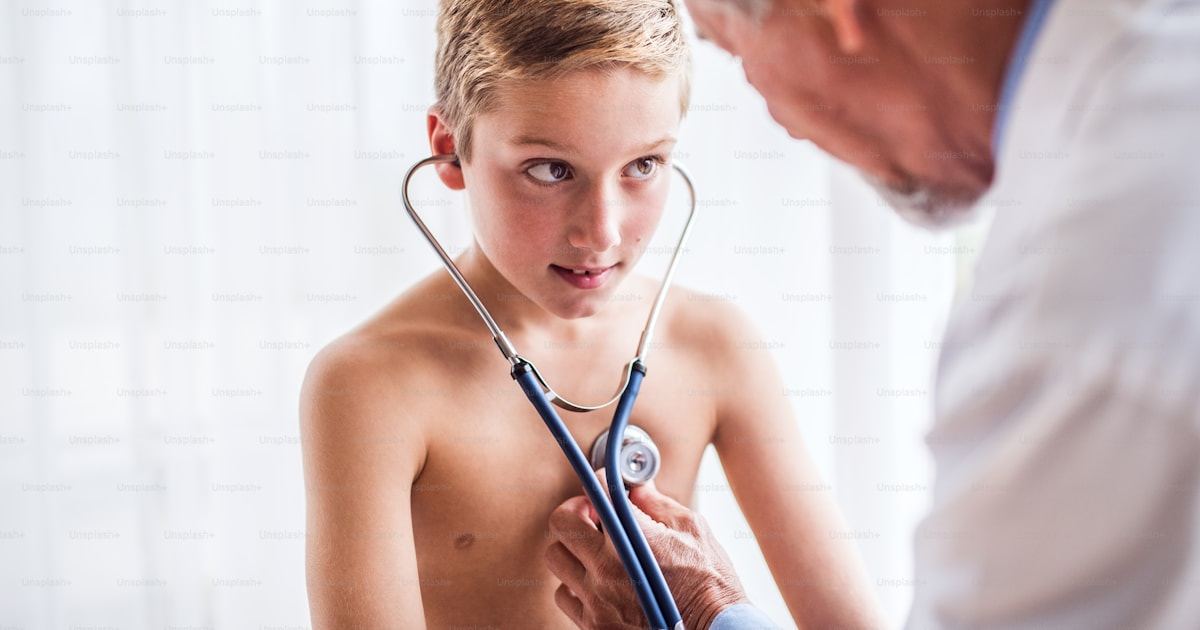
Largely clinically — history, breathing rate, chest indrawing and examination with a stethoscope. A pulse oximeter measures oxygen saturation painlessly on a finger or toe. A chest X-ray is used where the diagnosis is unclear or the child is severely unwell, along with blood tests where indicated. Not every child with pneumonia needs an X-ray.
Treatment
- Mild pneumonia is usually treated at home with oral antibiotics where a bacterial cause is likely, plus fluids, paracetamol for fever and close observation. Complete the full course even after the child improves.
- Severe pneumonia needs admission for oxygen, intravenous antibiotics, fluids and monitoring.
- Oxygen is the treatment that saves lives in severe cases, which is why hospitals with reliable oxygen supply matter so much for childhood pneumonia.
- Cough syrups are not useful and are not recommended for young children; some contain sedating ingredients that are unsafe.
- Continue feeding and breastfeeding in small, frequent amounts.
Prevention: Where the Real Gains Are
- Complete the immunisation schedule. Pneumococcal conjugate vaccine, Hib, measles, whooping cough and influenza vaccines together prevent a large share of severe childhood pneumonia. See the childhood vaccination schedule.
- Exclusive breastfeeding for six months, then continued breastfeeding with appropriate complementary feeding.
- Reduce indoor smoke. Improved cooking stoves and ventilation make a measurable difference in households using solid fuel.
- No smoking in the house, ever.
- Handwashing with soap, and keeping unwell visitors away from small infants.
- Treat malnutrition and anaemia, which substantially raise both the risk and severity.
- Keep infants warm in the cold months, particularly newborns — see newborn care in the first 40 days.
Your Paediatric Team in Ambikapur
Our paediatric department assesses children with breathing difficulty at any hour, with oxygen, nebulisation, imaging and paediatric inpatient care available on site alongside the 24-hour emergency service. Related reading includes fever in children, wheezing and asthma in children and diarrhoea and dehydration. Meet Dr. Ankit Gupta and Dr. Megha Goyal, see the full consultant team, browse all clinical departments, or book an appointment here.
"Every parent knows what a cough sounds like. Far fewer know what forty breaths a minute looks like. That gap is where childhood pneumonia hides."
Watch: Related Videos
Related health videos from the Sankalp Hospital YouTube channel.
 Normal Delivery से डर लग रहा था | Patient Testimonial | Dr Ankita #sankalphospital #newbornbaby
 Low Amniotic Fluid Pregnancy | Second Opinion Saved My Baby | Sankalp Hospital Testimonial
Frequently Asked Questions
Related Articles