Emergency Support
+91 7774 223344Child Nutrition
Starting Solids at Six Months: A Practical Weaning Guide for Indian Families
Medical Disclaimer: This article is AI-assisted and intended for general informational purposes only. It does not replace professional medical advice, diagnosis, or treatment. Please consult a qualified healthcare specialist for advice specific to your condition. Read full disclaimer
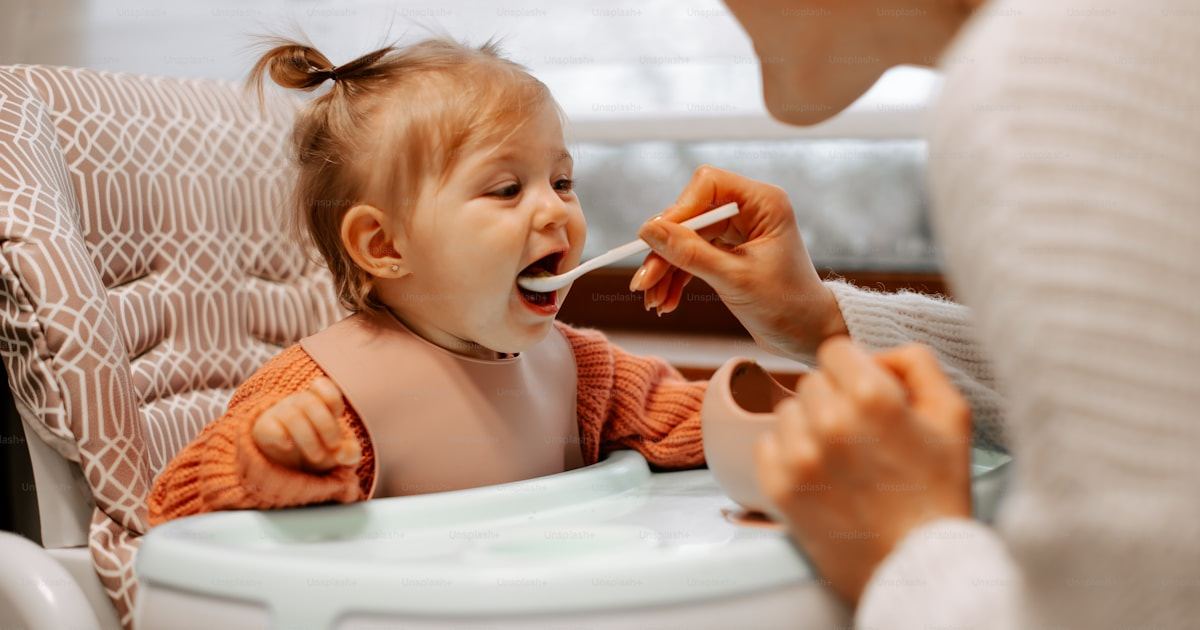
The period between six months and two years is when most childhood undernutrition in India begins, and it is almost never because families lack food. It happens because complementary feeding starts too late, or too early, or because the food given is too watery to carry enough energy. A baby's stomach is small; what goes into it has to be dense. This guide sets out what starting solids at six months actually looks like using ordinary household foods, how much to give at each age, and the mistakes that quietly cost a child growth.
Why Exactly Six Months
Breast milk alone meets a baby's full nutritional needs for the first six months. From around six months two things change at once: the baby's iron stores, laid down before birth, are running out, and energy needs exceed what milk alone can supply.
- Starting too early, before four months, displaces breast milk, raises the risk of infection and allergy, and the gut and swallowing coordination are not ready.
- Starting too late, after seven months, risks iron deficiency, poor weight gain, and a child who resists new textures because the window for accepting them has narrowed.
Breastfeeding continues alongside, ideally to two years and beyond. Solids complement milk; they do not replace it.
"Six months is not a suggestion. It is the point at which milk alone stops being enough, and iron is the first thing to run short."
Signs Your Baby Is Ready
- Can sit with minimal support and hold the head steady
- Shows interest in food, watching and reaching for what others eat
- Opens the mouth when a spoon approaches
- The tongue-thrust reflex, which pushes food out, has faded
- Still seems hungry after full breastfeeds
How Much, How Often, at Each Age
| Age | Texture | Amount per meal | Meals a day |
|---|---|---|---|
| 6–8 months | Thick mashed and pureed | Start with 2–3 spoons, build to about half a standard cup | 2–3 meals, plus 1 snack |
| 9–11 months | Finely chopped, mashed, soft finger foods | About half to three-quarters of a cup | 3–4 meals, plus 1–2 snacks |
| 12–24 months | Family food, chopped or mashed as needed | About three-quarters to a full cup | 3–4 meals, plus 2 snacks |
What to Feed: Everyday Indian Foods
There is no need for expensive commercial products. A child grows well on what the household already cooks, adapted for texture and made energy-dense.
Build every meal from these groups
- Staples for energy: rice, wheat, ragi, jowar, bajra, suji, poha.
- Protein: all dals, rajma and chana well cooked and mashed, egg, fish, chicken, paneer, curd.
- Iron-rich foods at every possible meal: ragi, green leafy vegetables, dals, egg yolk, jaggery, meat and liver where the family eats them. This is the single most important nutritional priority at this age — see iron deficiency anaemia in children.
- Vitamin C alongside iron to help absorption: a squeeze of lemon, amla, guava, tomato, orange.
- Added fat for energy density: half a teaspoon to a teaspoon of ghee or oil in each meal. This is not optional; it is how a small volume carries enough calories.
- Fruit and vegetables: banana, papaya, mango, chikoo, apple, carrot, pumpkin, sweet potato, spinach.
- Milk products from six months as part of food — curd, paneer. Cow's milk as a main drink is not recommended before one year.
A practical starting week
- Days 1–3: two to three spoons of thick mashed rice or ragi porridge, once a day, with half a teaspoon of ghee.
- Days 4–7: add well-mashed dal with rice; increase to two meals.
- Week 2: add mashed banana or steamed and mashed carrot or pumpkin.
- Week 3: add curd, mashed potato, khichdi with a little vegetable.
- Week 4: add mashed egg yolk, then whole egg; add green leafy vegetables finely chopped into khichdi.
Introduce one new food at a time and wait two to three days before the next, so any reaction is easy to identify. Expect food to be refused several times before it is accepted; that is normal learning, not dislike.
Foods to Avoid, and Why
| Avoid | Until | Reason |
|---|---|---|
| Honey | 12 months | Risk of infant botulism |
| Cow's milk as a main drink | 12 months | Poor iron content and can irritate the gut lining |
| Added salt and sugar | Ideally not at all in the first year | Strains immature kidneys; sets up a preference for salty and sweet food |
| Whole nuts, whole grapes, popcorn, hard sweets, raw carrot sticks | Around 4–5 years | Choking hazard — nuts should be given as fine powder or paste |
| Tea and coffee | Well beyond infancy | Tannins block iron absorption significantly |
| Packaged juices and soft drinks | Best avoided entirely | Sugar without nutrition; displaces real food |
| Biscuits, chips, namkeen as regular food | — | Fill the stomach with salt and refined flour instead of nutrients |
Note the change in advice on allergenic foods: egg, fish and peanut in appropriate form are now introduced from around six months rather than delayed, because early introduction appears to reduce allergy risk. Discuss this with your paediatrician if there is strong family history of allergy.
Responsive Feeding: How, Not Just What
- Feed the child yourself in the early months, patiently, with eye contact and encouragement.
- Use a separate bowl so you can see exactly how much the child has eaten.
- Sit the child upright, ideally with the family at mealtimes.
- No screens, no phone, no distraction feeding. A distracted child eats without learning hunger and fullness.
- Never force-feed. It creates food refusal that lasts years.
- Offer a refused food again on another day. Acceptance often takes eight to ten exposures.
- Let them get messy with self-feeding from around nine months; it accelerates skill and interest.
- Keep mealtimes to about twenty to thirty minutes, then stop without pressure.
Hygiene During Weaning
Diarrhoeal illness peaks exactly when complementary feeding starts, because food introduces a new route for infection. Wash hands with soap before preparing food and before feeding, wash the child's hands too, use clean utensils, serve food freshly cooked, and avoid storing prepared baby food for long periods in warm weather. Our guides to diarrhoea, ORS and dehydration and worm infection and deworming cover this in more detail.
When to Seek Advice
- The baby is not gaining weight, or is losing weight
- Persistent refusal of all solids beyond seven to eight months
- Choking, gagging or coughing regularly during feeds
- Rash, vomiting, swelling or wheeze after a particular food
- Blood in the stool, or persistent diarrhoea or constipation
- Signs of anaemia — pallor, lethargy, poor appetite
- Any child born preterm or with a medical condition, who needs an individualised plan. See what a Level-III NICU provides for context on preterm follow-up.
Your Paediatric Team in Ambikapur
Growth monitoring at every visit is the best early warning of a feeding problem, long before a child looks thin. Our paediatric department provides growth and nutrition assessment, feeding advice, anaemia screening and immunisation. Related reading includes newborn care in the first 40 days, child development milestones and the childhood vaccination schedule. Meet Dr. Megha Goyal and Dr. Ankit Gupta, see the full consultant team, browse all clinical departments, or book an appointment here.
"Families here rarely lack food. What is missing is thickness, ghee, and iron at every meal. Fix those three and most weight faltering disappears."
Watch: Related Videos
Related health videos from the Sankalp Hospital YouTube channel.
 Normal Delivery से डर लग रहा था | Patient Testimonial | Dr Ankita #sankalphospital #newbornbaby
 Low Amniotic Fluid Pregnancy | Second Opinion Saved My Baby | Sankalp Hospital Testimonial
Frequently Asked Questions
Related Articles