Emergency Support
+91 7774 223344Pediatrics
Worm Infection in Children: Signs, Deworming and Prevention
Medical Disclaimer: This article is AI-assisted and intended for general informational purposes only. It does not replace professional medical advice, diagnosis, or treatment. Please consult a qualified healthcare specialist for advice specific to your condition. Read full disclaimer
Intestinal worms are among the most common infections of childhood in rural India, and among the least dramatic. Most infected children have no obvious symptoms at all. What they have instead is slightly less iron, slightly less appetite, slightly less growth and slightly less concentration in class than they would otherwise have had — every year, for years. The treatment is a single tablet costing a few rupees. This guide explains the signs of worm infection in children, how deworming works, and why hygiene matters more than the tablet itself.
Which Worms, and How Children Get Them
| Worm | How it is caught | Main effect |
|---|---|---|
| Roundworm (Ascaris) | Swallowing eggs from contaminated soil, water or unwashed food | Poor growth, abdominal pain; heavy loads can obstruct the bowel |
| Hookworm | Larvae penetrate bare skin, usually the feet, from contaminated soil | Chronic blood loss from the gut wall — the leading worm cause of anaemia |
| Whipworm (Trichuris) | Swallowing eggs from soil or unwashed produce | Diarrhoea, blood in stool, poor growth in heavy infection |
| Pinworm (threadworm) | Person to person, via hands, bedding and clothing | Intense night-time anal itching; spreads rapidly through a household |
| Tapeworm | Undercooked pork or beef, or contaminated food | Weight loss, abdominal discomfort; pork tapeworm can affect the brain |
| Giardia (a parasite, not a worm) | Contaminated water | Persistent loose, foul-smelling stools and poor weight gain |
The common thread is soil and water contaminated by human faeces, which is why open defecation, unsafe water and going barefoot are the main drivers. Cases rise during and after the monsoon, when contaminated run-off spreads eggs and larvae widely.
"Hookworm does not make a child sick. It quietly takes a little blood every day for two years, and the child is simply described as pale and lazy."
Signs of Worm Infection
Most children show nothing. When symptoms do appear, they are these:
- Recurrent vague abdominal pain, often around the navel
- Poor appetite, or unusually increased appetite without weight gain
- Poor weight gain or faltering growth
- Pallor, tiredness and lethargy from anaemia — see iron deficiency anaemia in children
- Itching around the anus, worse at night, with disturbed sleep and irritability — the hallmark of pinworm
- Visible worms in stool, or around the anus at night
- Loose stools, sometimes with blood or mucus
- Nausea, bloating or excessive gas
- Teeth grinding at night and bedwetting, often reported by parents though not specific
- Poor concentration and falling school performance
- Cough for a few days during the phase when roundworm larvae pass through the lungs
Deworming: What It Involves
India runs the National Deworming Day programme, giving albendazole to children and adolescents aged one to nineteen, twice a year in high-burden areas. Mass deworming is used because testing every child is impractical, the medicine is very safe, and reinfection is common where sanitation is poor.
Practical points
- Age one to nineteen is the target group; dose is age-based and prescribed by your doctor or given through the school or anganwadi programme.
- Chewed or crushed for young children, and given with water; it can be taken with food.
- Every six months in high-burden areas, or as advised locally.
- Mild, brief side effects — nausea, abdominal pain, dizziness or vomiting — are more likely in heavily infected children and settle within a day. They reflect the worms dying, not a drug reaction.
- Pinworm requires treating the whole household at the same time, with a repeat dose after two weeks, plus washing all bedding and nightclothes in hot water. Treating only the affected child guarantees reinfection.
- Pregnancy: deworming is avoided in the first trimester and given later on medical advice.
- Under one year: only on specific medical advice.
Preventing Reinfection
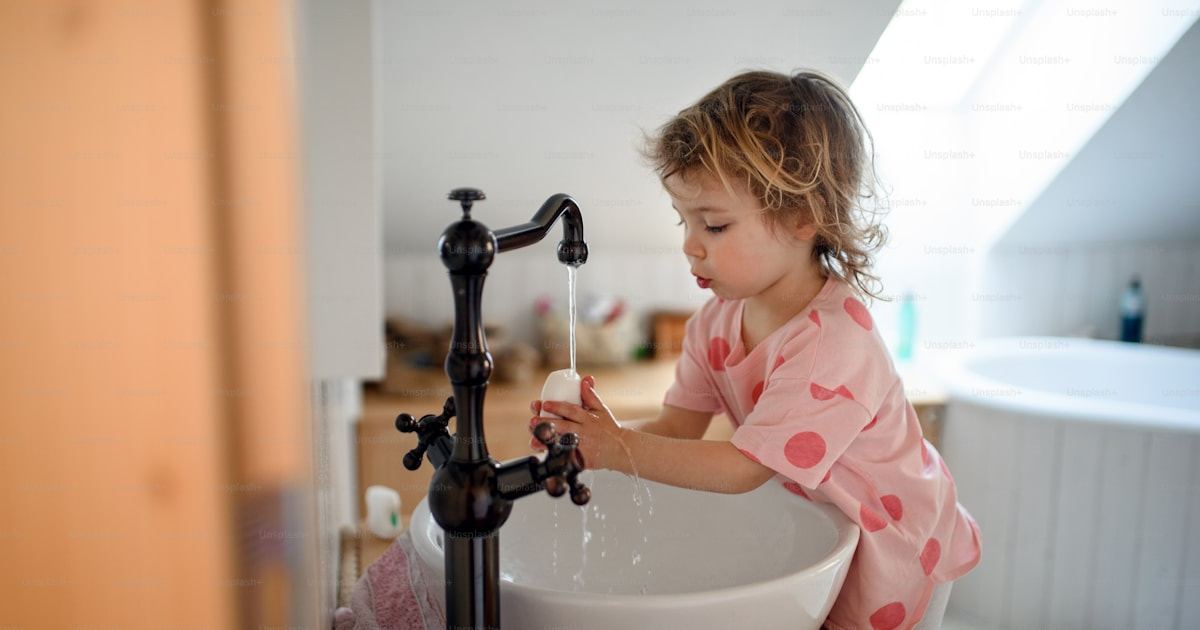
- Handwashing with soap after using the toilet and before eating or preparing food. This is the highest-value habit in the house, for worms and for diarrhoeal illness alike.
- Footwear outdoors, always. Hookworm larvae enter through bare skin, so shoes or chappals break the commonest route of infection in rural areas.
- Safe drinking water — boiled or properly filtered, especially during and after the rains.
- Use of toilets and safe disposal of children's stools, including nappies.
- Wash fruit and vegetables thoroughly, and avoid raw salads and cut fruit from outside.
- Cook meat thoroughly, particularly pork.
- Keep nails short and clean, and discourage nail-biting and thumb-sucking, which spread pinworm eggs.
- Wash bedding and nightclothes in hot water during a pinworm outbreak, and bathe the child in the morning to remove eggs laid overnight.
- Discourage playing in soil likely to be contaminated, and wash hands and feet afterwards.
Why This Matters More Than It Sounds
The effects of chronic worm infection are cumulative rather than dramatic. A child losing a small amount of blood daily to hookworm becomes anaemic; an anaemic child eats less, grows more slowly, learns less well and catches infections more easily. None of it announces itself. Studies of deworming programmes consistently show improvements in haemoglobin, weight and school attendance, which tells you how much was quietly being lost.
This is also why deworming pairs naturally with iron supplementation and good nutrition — see starting solids at six months and child development milestones. Treating the worms without correcting the anaemia, or supplementing iron while hookworm continues to drain it, both leave the job half done.
Your Paediatric Team in Ambikapur
If your child has recurrent abdominal pain, poor weight gain, night-time anal itching, visible worms or unexplained pallor, an assessment is quick and worthwhile. Our paediatric department provides stool testing, haemoglobin checks, deworming and nutritional assessment, with growth monitoring at every visit. Related reading includes iron deficiency anaemia in children, diarrhoea, ORS and dehydration and the childhood vaccination schedule. Meet Dr. Ankit Gupta and Dr. Megha Goyal, see the full consultant team, browse all clinical departments, check our insurance and scheme empanelments, or book an appointment here.
"Give the tablet, and give the child shoes and soap. The first clears this year's worms; the other two decide whether there will be next year's."
Watch: Related Videos
Related health videos from the Sankalp Hospital YouTube channel.
 Normal Delivery से डर लग रहा था | Patient Testimonial | Dr Ankita #sankalphospital #newbornbaby
 Low Amniotic Fluid Pregnancy | Second Opinion Saved My Baby | Sankalp Hospital Testimonial
Frequently Asked Questions
Related Articles