Emergency Support
+91 7774 223344Pediatrics
Diarrhoea in Children: ORS, Dehydration and When to Worry
Medical Disclaimer: This article is AI-assisted and intended for general informational purposes only. It does not replace professional medical advice, diagnosis, or treatment. Please consult a qualified healthcare specialist for advice specific to your condition. Read full disclaimer
Childhood diarrhoea remains one of the leading causes of death in young children worldwide, and almost none of those deaths are caused by the infection itself. They are caused by dehydration — the loss of water and salts faster than they are replaced. That is why the most important treatment is not an antibiotic or an anti-diarrhoeal but a simple solution of salt, sugar and water. This guide explains how to use ORS for diarrhoea in children correctly, how to recognise dehydration before it becomes dangerous, and when a child must be brought to hospital.
What Counts as Diarrhoea
Three or more loose or watery stools in twenty-four hours, or stools that are looser and more frequent than normal for that child. Two clarifications matter:
- A breastfed baby normally passes frequent, soft, yellow, seedy stools — sometimes after every feed. That is not diarrhoea.
- The change matters more than the count. A child who normally passes one formed stool a day and now passes four loose ones has diarrhoea.
Most cases are viral, most commonly rotavirus, and last three to seven days. Bacterial and parasitic causes are more common where water and sanitation are poor, and rise sharply during and after the monsoon in Surguja.
"The infection will pass on its own in most children. Dehydration is what kills, and dehydration is entirely preventable at home."
Recognising Dehydration
| Level | Signs | What to do |
|---|---|---|
| No dehydration | Alert, drinking normally, normal urine, moist mouth, eyes normal | Continue feeds; give ORS after each loose stool at home |
| Some dehydration | Restless or irritable, thirsty and drinking eagerly, sunken eyes, dry mouth, skin pinch goes back slowly, reduced urine | ORS under supervision; see a doctor the same day |
| Severe dehydration | Lethargic or unconscious, unable to drink or drinking poorly, very sunken eyes, skin pinch goes back very slowly, no urine for many hours, fast weak pulse, cold hands | A medical emergency — intravenous fluids needed immediately |
Two practical checks any parent can do. The skin pinch: gently pinch the skin of the abdomen between thumb and finger, then let go — it should spring straight back. Urine output: in a young child, going more than eight hours without passing urine is a warning sign.
ORS: Getting It Right
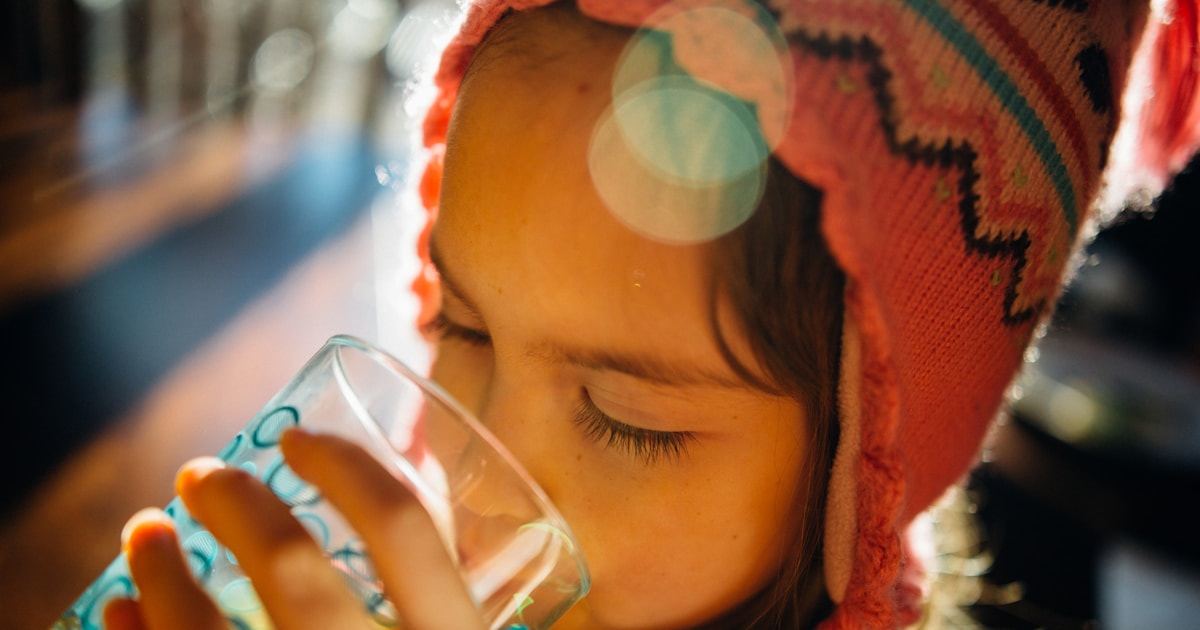
Oral rehydration solution works because glucose and sodium are absorbed together in the gut, pulling water across with them. This absorption pathway keeps working even during severe diarrhoea, which is why ORS succeeds where plain water does not.
How to prepare it
- Use the whole sachet in exactly the stated volume of clean drinking water, usually one litre. Never split a sachet by eye.
- Too concentrated is dangerous — it draws water into the gut and worsens the diarrhoea. Too dilute does not work.
- Use boiled and cooled or safe filtered water.
- Make it fresh and discard after twenty-four hours.
- Do not add sugar, salt, milk or flavouring.
How to give it
- Small amounts, very often. A teaspoon or a sip every one to two minutes works better than a glass at once, especially if the child is vomiting.
- If the child vomits, wait ten minutes and restart slowly. Vomiting is not a reason to stop.
- Roughly, after each loose stool: about 50 to 100 ml for a child under two, and 100 to 200 ml for an older child. Your doctor will give exact amounts for your child's weight.
- Use a spoon, cup or syringe rather than a bottle for small infants.
- Continue breastfeeding throughout, more often than usual. Breast milk is fluid, nutrition and protection at once.
If you have no ORS sachet right now
A home solution of six level teaspoons of sugar and half a level teaspoon of salt in one litre of clean water can be used until you obtain proper ORS. It is a stopgap, not an equal substitute, because the ratios in a packet are precise. Get a sachet as soon as possible.
Zinc: The Other Half of the Treatment
Zinc supplementation for fourteen days shortens the episode, reduces its severity and lowers the chance of another episode over the following two to three months. It is recommended for all children with diarrhoea and is widely available, inexpensive and safe. Continue the full fourteen days even after the stools have settled — this is the step most often abandoned early.
Feeding During Diarrhoea
- Do not stop feeding. Withholding food prolongs the illness and worsens malnutrition.
- Continue breastfeeding, more frequently than usual.
- Offer small, frequent, easily digested meals — khichdi, curd rice, banana, boiled potato, dal water, well-cooked rice.
- Curd is helpful and generally well tolerated.
- Avoid very oily, spicy or high-sugar foods during the illness.
- Add an extra meal a day for two weeks afterwards to help the child regain lost weight. Our guide to starting solids and complementary feeding covers age-appropriate foods.
What Not to Give
- Anti-diarrhoeal medicines that stop gut movement should not be given to children. They trap infection inside and can cause serious complications.
- Antibiotics are not needed for most diarrhoea. They are reserved for specific situations such as dysentery with blood in the stool, suspected cholera, or a confirmed bacterial or parasitic cause. Giving them routinely causes harm and drives resistance.
- No leftover medicines from a previous illness.
- Anti-vomiting medicines only on medical advice; they are often unnecessary and can cause side effects in children.
Preventing the Next Episode
- Rotavirus vaccine, part of the national immunisation schedule, prevents the commonest severe cause. See the childhood vaccination schedule.
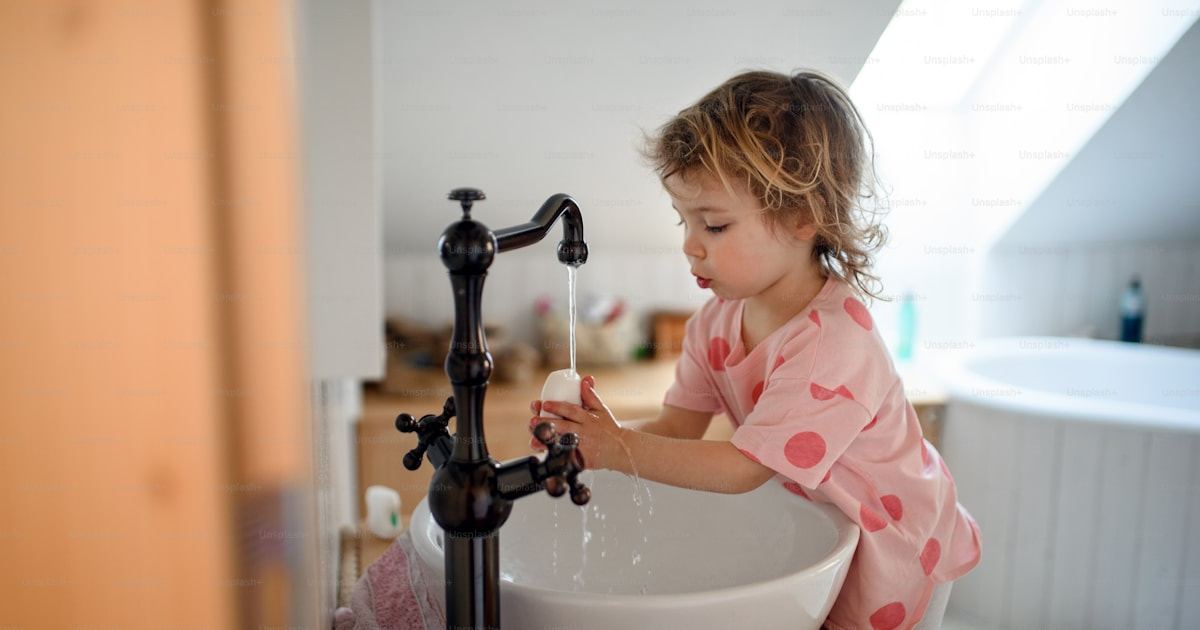
- Handwashing with soap after using the toilet, after changing nappies, and before preparing food or feeding a child. This is the highest-value habit in the house — see worm infection and hygiene in children.
- Safe drinking water — boiled or properly filtered, particularly during and after the rains.
- Exclusive breastfeeding for six months, which sharply reduces diarrhoeal illness.
- Food hygiene — cover food, avoid cut fruit from outside, reheat leftovers thoroughly.
- Safe disposal of stools, including nappies.
- Regular deworming as advised for the age group.
Your Paediatric Team in Ambikapur
Bring your child in if there is blood in the stool, persistent vomiting, any sign of dehydration, or if the diarrhoea lasts beyond a week. Our paediatric department provides assessment, intravenous rehydration and inpatient care where needed, with a 24-hour emergency service alongside. Related reading includes fever in children, iron deficiency anaemia in children and monsoon fevers in Surguja. Meet Dr. Ankit Gupta and Dr. Megha Goyal, see the full consultant team, browse all clinical departments, or book an appointment here.
"A sachet of ORS and a fourteen-day course of zinc cost almost nothing and prevent almost everything. The problem has never been the treatment; it is that families stop it too early."
Watch: Related Videos
Related health videos from the Sankalp Hospital YouTube channel.
 Normal Delivery से डर लग रहा था | Patient Testimonial | Dr Ankita #sankalphospital #newbornbaby
 Low Amniotic Fluid Pregnancy | Second Opinion Saved My Baby | Sankalp Hospital Testimonial
Frequently Asked Questions
Related Articles