Emergency Support
+91 7774 223344Emergency Care
Monsoon Fever Emergency in Ambikapur: When a Fever Needs the ER, Not a Wait
Medical Disclaimer: This article is AI-assisted and intended for general informational purposes only. It does not replace professional medical advice, diagnosis, or treatment. Please consult a qualified healthcare specialist for advice specific to your condition. Read full disclaimer
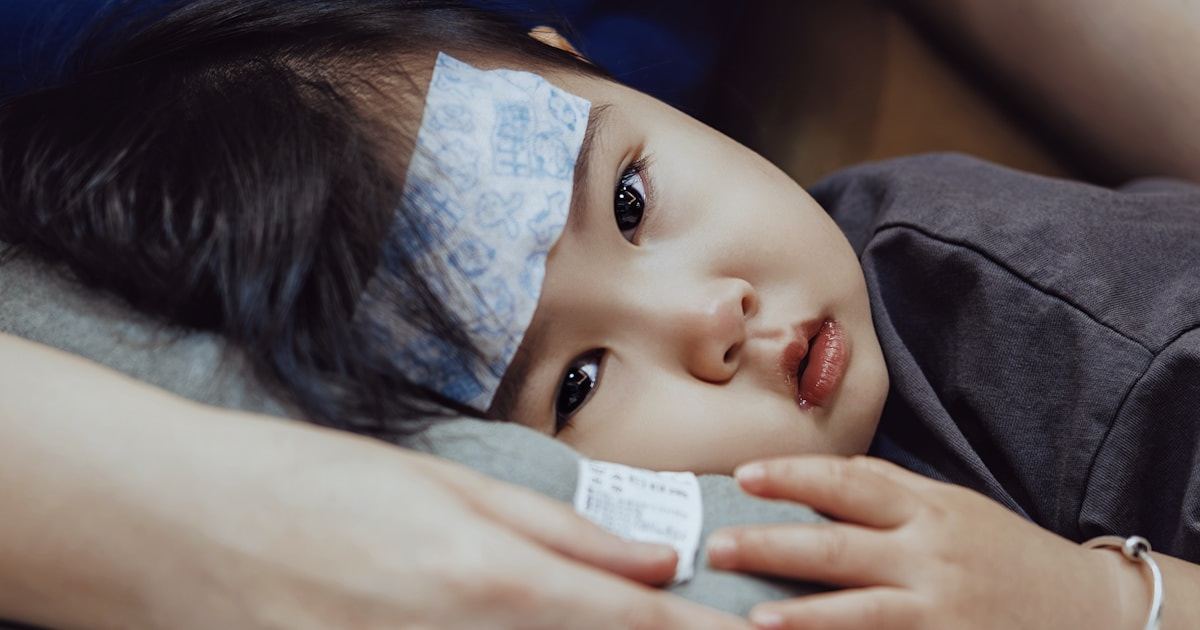
Every year, once the rains begin to ease across Surguja, the outpatient benches fill up with the same complaint: fever. Most of it settles with rest, fluids and paracetamol. Some of it does not. The difficulty for families is that dengue, malaria, typhoid and a simple viral fever can all look identical on day one — and by the time the difference becomes obvious, a few critical hours may already have passed. This guide explains what a monsoon fever emergency in Ambikapur actually looks like, which symptoms justify a same-day trip to the 24x7 emergency and trauma care unit at Sankalp Hospital, Ambikapur, and which ones can safely wait for a routine consultation.
Why Fevers Spike Across Surguja After the Monsoon
The post-monsoon weeks create almost perfect conditions for three separate groups of illness at once, which is why the fever season here is heavier than in drier districts.
- Standing water breeds mosquitoes. Aedes mosquitoes, which carry dengue, breed in clean stagnant water — coolers, drums, tyres, flowerpot trays. Anopheles mosquitoes, which carry malaria, breed in puddles, borrow pits and slow-moving field water. Both peak two to six weeks after heavy rain.
- Water sources get contaminated. Run-off carries sewage into shallow handpumps, open wells and unlined tanks. That is how typhoid, hepatitis A and bacterial diarrhoea spread.
- Snakes and scrub organisms move closer to homes. Flooded burrows push snakes towards houses, grain stores and field edges, and scrub typhus rises where people work in tall wet vegetation.
So a fever in September in Surguja is not a single question. It is at least four questions, and the answers matter because the treatment for each is completely different.
"A viral fever and early dengue look the same on day one. The difference shows up in the blood counts and in the warning signs, not in how hot the forehead feels."
Dengue, Malaria and Typhoid: The Red Flags to Know Apart
None of the patterns below are diagnostic on their own. They are the clues that should push you towards testing rather than towards another day of waiting.
| Illness | Typical pattern | Symptoms that point towards it |
|---|---|---|
| Dengue | Sudden high fever, 2–7 days | Severe pain behind the eyes, intense body and joint ache, rash appearing around day 3–5, easy bruising or bleeding gums |
| Malaria | Fever with shaking chills, often cyclical | Rigors followed by drenching sweats, headache, vomiting, enlarged spleen, anaemia on testing |
| Typhoid | Fever that climbs stepwise over a week | Persistent fever that stays high, abdominal discomfort, constipation or loose motions, marked weakness, poor appetite |
| Scrub typhus | Fever with headache and body ache | A painless black scab (eschar) somewhere on the body, swollen lymph nodes, recent work in fields or scrub |
| Simple viral fever | Fever 3–5 days, settling | Sore throat, runny nose, cough, mild body ache, steady improvement day by day |
The single most useful rule: any fever that has not started improving by day three deserves a blood test, not another course of over-the-counter medicine. A complete blood count, malaria test and dengue serology together cost very little and rule out most of the dangerous possibilities in a few hours. Our specialty departments and in-house pathology run these round the clock.
Snake Bite First Aid: What to Do in the First Ten Minutes
Snake bite is the other monsoon emergency that Surguja sees every season, and it is where wrong first aid does real harm. What you do in the first ten minutes matters more than almost anything that follows.
Do this
- Move the person away from the snake and keep them calm. Panic and running speed up venom spread.
- Keep the bitten limb still and lower than the heart. Immobilise it with a splint the same way you would a fracture.
- Remove rings, bangles, anklets and tight clothing from the limb before swelling starts.
- Go straight to a hospital with anti-snake venom. Note the time of the bite and, if it is safe, the snake's appearance. Do not chase or try to catch it.
Do not do this
- No tight tourniquets. They cause limb damage without stopping venom.
- No cutting or sucking the wound. It does not remove venom and adds infection.
- No ice, no herbs, no chemical application on the bite.
- No time wasted on traditional healers. Anti-snake venom is the only treatment that works, and it works best early.
Many bites are from non-venomous snakes, and many venomous bites are "dry" with no venom injected. But you cannot know which one it was, so every bite is treated as an emergency until a doctor says otherwise. Our emergency and trauma unit keeps anti-snake venom, ventilator support and intensive care available at all hours, which matters because neurotoxic bites can affect breathing within a few hours.
When a Fever at Home Becomes an Emergency-Room Fever
Go to the emergency department the same day — not the next morning — if a person with fever shows any of the following.
| Warning sign | Why it matters |
|---|---|
| Bleeding from gums or nose, blood in vomit or stool, black stools | Suggests dengue with bleeding or a gastrointestinal complication |
| Severe or worsening abdominal pain, persistent vomiting | A classic dengue warning sign, and a sign of plasma leakage |
| Cold, clammy hands and feet, rapid weak pulse, restlessness | Early shock — treat as an emergency immediately |
| Breathlessness or a fever with chest tightness | Fluid in the lungs, pneumonia or severe malaria |
| Not passing urine for 8–12 hours, or very dark urine | Dehydration or kidney involvement |
| Drowsiness, confusion, unusual irritability, a seizure | Cerebral malaria, encephalitis or severe dehydration |
| Sudden drop in temperature with worsening weakness | Dengue can deteriorate as the fever falls, not while it is high |
| Fever in an infant under three months | Always assessed urgently, whatever the child looks like |
Two groups deserve a lower threshold: young children and pregnant women. A fever in pregnancy is never simply watched at home — it needs assessment by the obstetrics and gynaecology team, because both the illness and some of the usual medicines can affect the baby. In children, watch feeding, alertness and urine output more closely than the thermometer reading. If a child is drinking, playing between fever spikes and passing urine normally, that is reassuring. Our paediatric department in Ambikapur handles the rest, and keeping up with the recommended childhood vaccination schedule — typhoid vaccine included — removes at least one of these fevers from the list entirely.
What the 24x7 Emergency and Trauma Unit at Sankalp Actually Handles
Knowing what a hospital can do before you need it saves time on the night you do. The emergency and trauma department in Ambikapur runs continuously and covers:
- Zero-delay triage so the sickest patients are seen first rather than in arrival order.
- Round-the-clock laboratory support for blood counts, platelet counts, malaria and dengue testing, kidney and liver function.
- Resuscitation and intensive care including ventilators, monitored beds and the smart ICU and trauma centre.
- Anti-snake venom, antivenom monitoring and airway support for neurotoxic bites.
- Blood and platelet transfusion support for severe dengue with low platelet counts.
- Dialysis backup through the dialysis centre in Ambikapur when a severe infection affects the kidneys.
- Advanced life support ambulance for transfers from surrounding blocks of Surguja.
Sensible Prevention Between Now and the End of the Season
- Empty and scrub water containers weekly — coolers, drums, buckets, pot trays. Emptying alone is not enough; eggs stick to the sides.
- Use mosquito nets and repellents, especially for children and pregnant women, and during early morning and dusk.
- Drink boiled or filtered water only, and be careful with cut fruit and street food during and after the rains.
- Wear closed shoes and carry a torch when walking through fields, grain stores or unlit paths at night.
- Keep paracetamol, oral rehydration salts and a working thermometer at home, and know where the nearest emergency department is before you need it.
When to Get Checked
See a doctor if fever crosses three days without improvement, returns after settling, or comes with any warning sign in the table above. If you are unsure, err towards being seen — a consultation costs an hour, and a missed warning sign can cost far more. Our consultant team in Ambikapur, including Dr. Shailesh Gupta in internal medicine, sees fever cases daily through the season, and cashless treatment is available under most of our insurance and scheme empanelments. You can book an appointment here or walk into the emergency department at any hour. For general queries about admission, timings and facilities, our hospital FAQs cover the common ones, and the medical glossary explains the terms you will hear on your report.
"Fever is not the emergency. Bleeding, breathlessness, severe abdominal pain, cold hands, confusion and not passing urine are the emergency. Learn those six, and you will never wait too long."
Watch: Related Videos
Related health videos from the Sankalp Hospital YouTube channel.
 Helmet & Seat Belt Save Lives Don't Avoid Them | Brain Injury & Paralysis Risk | Ambikapur,
 70 Saal Ka Critical Patient Ventilator Ke Bina Theek | ICU Success Story
Frequently Asked Questions
Related Articles