
Emergency Support
+91 7774 223344Emergency Care
Understanding and Preparing for Emergency Trauma Care
Medical Disclaimer: This article is AI-assisted and intended for general informational purposes only. It does not replace professional medical advice, diagnosis, or treatment. Please consult a qualified healthcare specialist for advice specific to your condition. Read full disclaimer
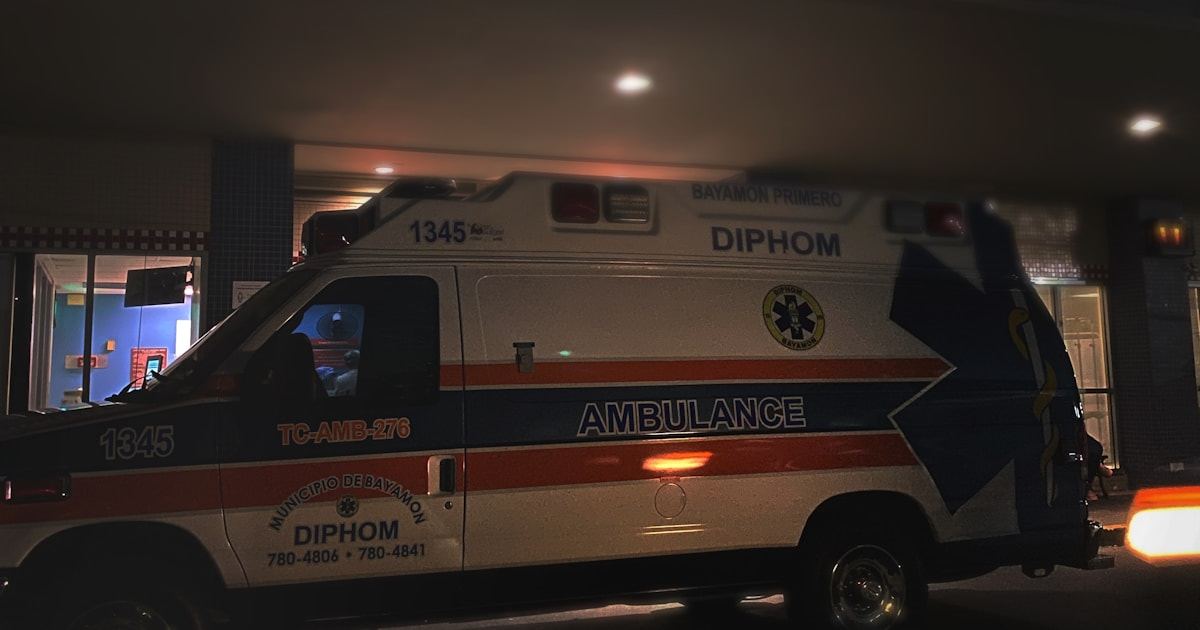
Trauma is the emergency nobody plans for, which is exactly why planning matters. Road accidents on the highways around Surguja, falls from height during construction and harvest, farm machinery injuries, burns and electrical injuries — these arrive without warning, and the outcome is decided in the first hour far more than in the weeks of treatment that follow. Searching for emergency trauma care near me at two in the morning, with an injured family member in the back of a vehicle, is the worst possible moment to learn where to go. This guide covers what counts as a trauma emergency, what to do before help arrives, and what a 24/7 trauma service actually provides.
What Constitutes a Trauma Emergency
Not every injury needs an emergency department, and not every serious injury looks serious at first. Internal bleeding, spinal injury and head injury can all present with a person who is walking and talking. Treat the following as trauma emergencies regardless of how the patient appears:
- Any road traffic accident at speed, especially involving a two-wheeler, ejection from a vehicle, or a rollover
- A fall from above standing height, or any fall in an elderly person
- Head injury with loss of consciousness, vomiting, confusion, seizure, or a clear fluid or blood discharge from the nose or ear
- Suspected spinal injury — neck or back pain after impact, weakness, numbness or tingling in the limbs, loss of bladder control
- Obvious deformity of a limb, an open fracture, or a bone visible through the skin
- Bleeding that does not stop with firm pressure, or blood loss enough to cause pallor, sweating and a fast pulse
- Chest injury with breathlessness, or abdominal injury with distension or worsening pain
- Burns that are extensive, involve the face, hands, feet or genitals, are electrical or chemical, or involve smoke inhalation
- Crush injuries, amputations, penetrating wounds and machinery entrapment
- Poisoning, snake bite, drowning and electrocution
"A patient who is talking is not necessarily a patient who is stable. Internal bleeding is silent until it isn't."
First Response: The First Ten Minutes
Bystanders decide a great deal of what happens next. The priorities, in order:
1. Make the scene safe
Do not become the second casualty. Switch off vehicle ignitions, watch for traffic, cut electrical supply before touching an electrocution victim, and move away from fire, fuel or unstable structures.
2. Call for help early
Call an ambulance before starting first aid if someone else is available to help. Give the exact location, the number of people injured and the type of injury. An advanced life support ambulance brings equipment and trained hands to the patient rather than the other way round.
3. Control bleeding
Firm, direct pressure with a clean cloth over the wound, held continuously for at least ten minutes without lifting to check. Add more cloth on top rather than removing soaked layers. Elevate a bleeding limb if there is no suspected fracture. Tourniquets are a last resort for catastrophic limb bleeding only.
4. Protect the airway and the spine
If the person is unconscious but breathing and there is no suspected spinal injury, place them in the recovery position. If a spinal injury is possible, keep the head, neck and body in a straight line and do not move them unless there is immediate danger.
5. Immobilise and cover
Support a suspected fracture in the position found using a splint or rolled cloth. Cover the person to prevent heat loss, which worsens bleeding.
The Golden Hour, and Why Location Matters
The first hour after major trauma is when the interventions that change survival happen — stopping haemorrhage, restoring circulation, securing the airway, relieving pressure on the brain. What matters is not just how quickly a patient reaches a hospital, but whether that hospital can act rather than refer.
A hospital that receives trauma patients needs, on site and at all hours: triage, resuscitation space, imaging, an operating theatre with anaesthesia cover, a blood bank, intensive care with ventilators, and surgeons across the specialties trauma actually involves. Reaching a facility in twenty minutes only to be transferred two hours later loses the hour that mattered.
What the 24/7 Trauma Service at Sankalp Hospital Provides
The emergency and trauma department in Ambikapur operates continuously with:
| Capability | What it means in practice |
|---|---|
| Zero-delay triage | The most critically injured are assessed first, not in order of arrival |
| Red-zone resuscitation | Dedicated space and equipment for airway, breathing and circulation support |
| Advanced life support ambulance | Equipped transport for retrieval from across Surguja and neighbouring blocks |
| Round-the-clock imaging and laboratory | Rapid assessment of head, chest, abdomen and skeletal injury |
| Emergency operating theatres | With anaesthesia cover available at all hours |
| Intensive care and ventilators | The smart ICU and trauma centre for post-operative and critical care |
| Multi-specialty surgical cover | Orthopaedics, general surgery, neurosurgery and maxillofacial surgery on one campus |
| Blood transfusion and dialysis backup | Including dialysis support for crush injury and kidney failure |
Trauma rarely respects specialty boundaries. A single motorcycle accident can involve a head injury, a fractured femur, a ruptured spleen and a facial fracture at once, which is why having those teams on one campus matters more than any single piece of equipment.
Preparing Before You Ever Need It
- Save the hospital and ambulance numbers in every family phone now, and note the route. Our contact and location page has both.
- Keep a card or phone note with each family member's blood group, chronic illnesses, regular medicines, allergies and an emergency contact. This is especially important for anyone on blood thinners or with diabetes, epilepsy or heart disease.
- Keep insurance details accessible. Check our insurance and government scheme empanelments in advance so cashless admission is not delayed by paperwork.
- Learn basic first aid. Bleeding control, the recovery position and CPR are learnable in an afternoon and used in a minute.
- Keep a functional first aid kit at home, in the vehicle and at the workplace: sterile gauze, bandages, tape, gloves, scissors, a torch and a triangular bandage.
- Reduce the risk in the first place. Helmets, seat belts, machine guards on farm equipment, and grab rails and adequate lighting for elderly relatives at home prevent more injury than any hospital treats.
After the Emergency: Recovery Matters Too
Trauma care does not end when the patient leaves intensive care. Fracture rehabilitation, physiotherapy and follow-up determine how much function returns. Our orthopaedic department handles fracture fixation, joint injuries and rehabilitation, and these guides on managing joint pain and knee treatment without surgery cover what recovery often involves. Seasonal emergencies have their own patterns too — our article on monsoon fevers and snake bite first aid covers the other half of what our emergency department sees at this time of year.
Know Where to Go, Before You Need To
The 24-hour emergency and trauma unit at Sankalp Hospital, Ambikapur accepts walk-ins and ambulance arrivals at any hour, with no appointment. You can see the full consultant team, including trauma surgeon Dr. Tanay Goyal, browse all clinical departments, or read the patient FAQs for questions about admission and facilities.
"In trauma, the decisions that matter most are made by people who are not doctors — the bystander who applies pressure, and the family who already knew where to drive."
Watch: Related Videos
Related health videos from the Sankalp Hospital YouTube channel.
 Helmet & Seat Belt Save Lives Don't Avoid Them | Brain Injury & Paralysis Risk | Ambikapur,
 70 Saal Ka Critical Patient Ventilator Ke Bina Theek | ICU Success Story
Frequently Asked Questions
Related Articles