Emergency Support
+91 7774 223344General Surgery
Gallstones: Why Laparoscopic Surgery Usually Means a Shorter Hospital Stay
Medical Disclaimer: This article is AI-assisted and intended for general informational purposes only. It does not replace professional medical advice, diagnosis, or treatment. Please consult a qualified healthcare specialist for advice specific to your condition. Read full disclaimer
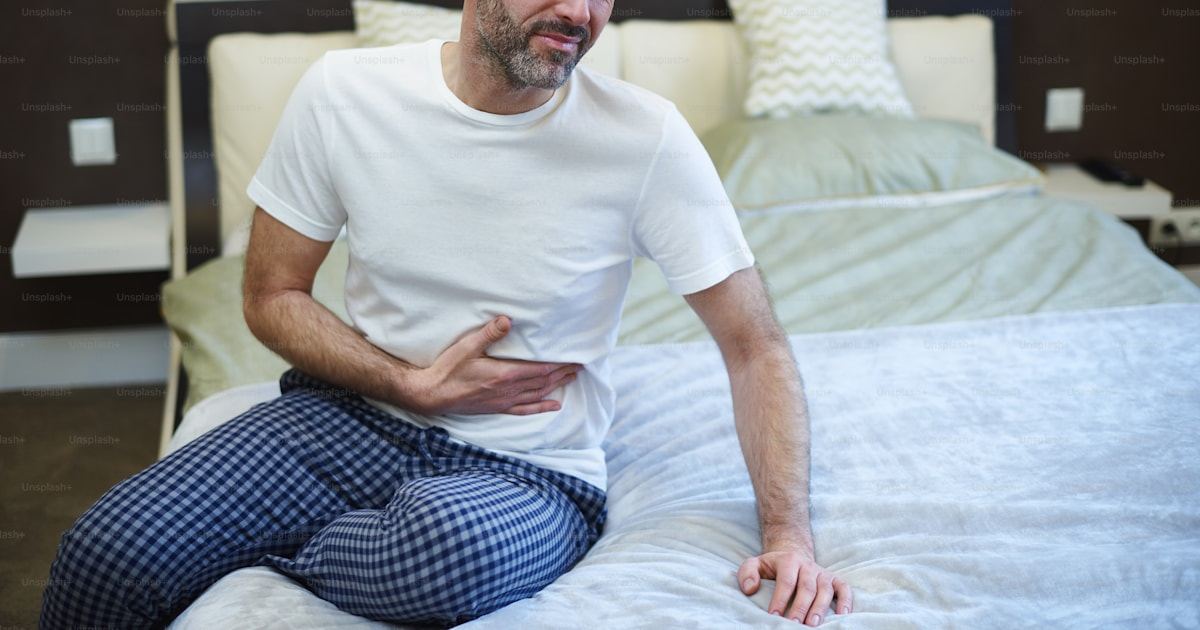
Most people who are told they have gallstones are not frightened by the stones. They are frightened by the operation. The word "surgery" still summons an image of a long cut, a week in a hospital bed and a month off work — an image that is roughly thirty years out of date. Laparoscopic gallbladder surgery in Ambikapur is now a routine keyhole procedure, and for most patients it means going home the next day. This article explains what gallstone symptoms actually feel like, why keyhole removal became the standard, what recovery genuinely looks like day by day, and the situations where stones can safely be left alone.
The Symptoms That Usually Lead to a Gallstone Diagnosis
The gallbladder is a small pear-shaped sac under the liver that stores bile and releases it when you eat fat. Stones form when the chemistry of bile shifts, and trouble begins when a stone blocks the outlet.
Biliary colic — the classic attack
- Pain in the upper right abdomen or just below the breastbone, often severe and steady rather than crampy
- Radiating to the right shoulder blade or between the shoulders
- Beginning 30 minutes to a couple of hours after a fatty meal, and often waking people at night
- Lasting 30 minutes to several hours, then settling completely
- Accompanied by nausea and vomiting
- Restlessness — sufferers pace rather than lie still
The vaguer symptoms that get mislabelled
Many patients spend months being treated for acidity before the diagnosis is made: bloating and fullness after meals, belching, indigestion that is worse with oily or fried food, and a dull discomfort under the right ribs. These overlap heavily with the symptoms described in our guide to acidity and sour belching, and an ultrasound is what separates them.
Who tends to develop gallstones
- Women, particularly during and after the childbearing years, because oestrogen increases cholesterol in bile
- Age over 40, with risk rising steadily thereafter
- Obesity, and also rapid weight loss or prolonged fasting
- Diabetes and high blood triglycerides
- A family history of gallstones
- Certain haemolytic blood disorders, which cause pigment stones
- A diet high in refined carbohydrate and fat and low in fibre
Why Laparoscopic Removal Became the Standard Approach
An important point first: the treatment for symptomatic gallstones is removal of the gallbladder, not just the stones. Taking out the stones alone leaves behind a diseased organ that will simply form more. Dissolving medicines work slowly, only for certain small cholesterol stones, and recurrence is common once stopped.
Laparoscopic cholecystectomy replaced open surgery because the difference in recovery is dramatic, not marginal.
| Laparoscopic (keyhole) | Open surgery | |
|---|---|---|
| Incisions | 3–4 small cuts, roughly 0.5–1 cm | One cut of about 10–15 cm under the right ribs |
| Muscle division | Minimal — instruments pass between fibres | Abdominal wall muscle is cut |
| Hospital stay | Usually 1 day, sometimes 2 | Commonly 5–7 days |
| Post-operative pain | Mild to moderate, mostly settling in days | Significant, needing longer pain relief |
| Return to desk work | About 1 week | 3–6 weeks |
| Return to heavy work | 2–4 weeks | 6–8 weeks |
| Wound infection risk | Lower | Higher |
| Later hernia at the wound | Uncommon | More common |
| Scarring | Small, fading marks | One long visible scar |
The surgery itself is the same operation; only the access differs. Our laparoscopic surgery department in Ambikapur uses the same minimally invasive approach across hernia repair, appendicectomy and gynaecological procedures, and you can read more about the equipment in this note on our advanced laparoscopy system.
How Laparoscopic Surgery Differs in Practice
What actually happens on the day, from the patient's side:
- Pre-operative assessment. Blood tests, an ECG for older patients, an ultrasound and an anaesthetic review. Blood thinners and some diabetes medicines may need adjusting beforehand — always disclose everything you take.
- Fasting. Usually no food for six hours and no clear fluids for two hours before surgery.
- General anaesthesia. You are fully asleep. Our anaesthesia team reviews you before and monitors you throughout.
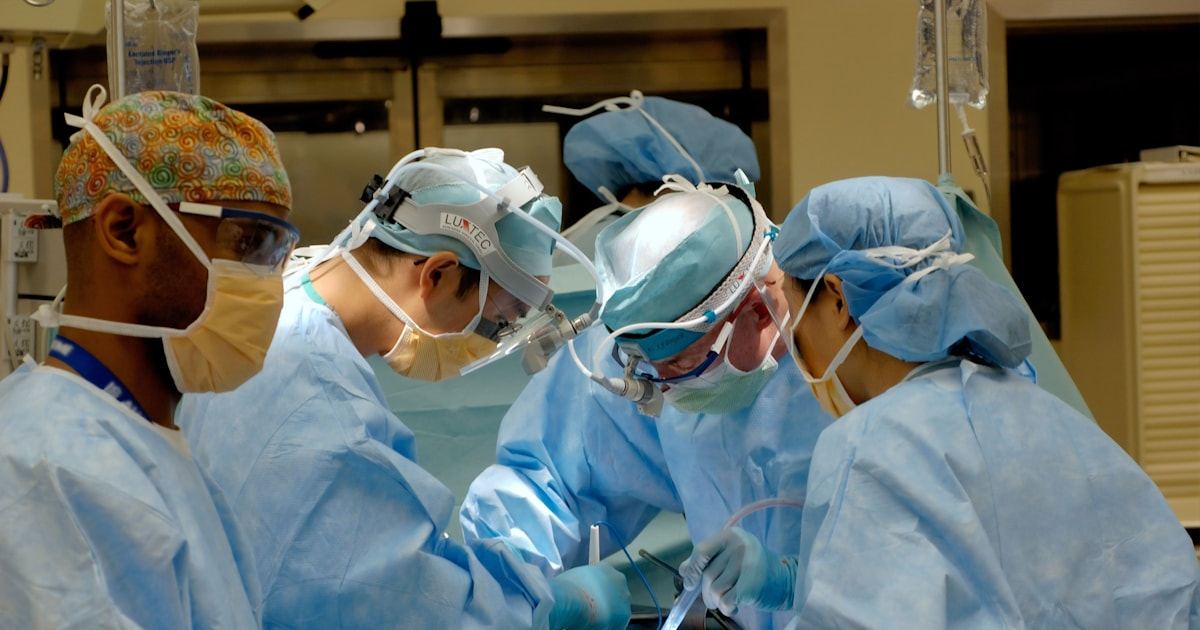
- The procedure. The abdomen is gently inflated with carbon dioxide to create working space. A camera and instruments pass through three or four small ports. The gallbladder is separated from the liver, the duct and artery are clipped, and it is removed through one of the ports. It typically takes 45 to 90 minutes.
- Recovery room, then the ward. Most patients sit up and sip water within a few hours and walk the same evening.
- Discharge. Usually the following morning, once eating, walking and passing urine normally.
What Recovery Actually Looks Like, Day by Day
| Timeline | What to expect |
|---|---|
| Day of surgery | Drowsy for a few hours; sips of water then light fluids; sitting up and short walks by evening; sore around the port sites |
| Day 1 | Light diet, walking independently, discharge for most patients with painkillers and wound instructions |
| Days 2–3 | Shoulder-tip ache from residual carbon dioxide is common and harmless; walking helps it clear faster than resting |
| Days 4–7 | Pain settling to occasional twinges; normal light activity; most desk workers return around day 7 |
| Week 2 | Wound review; driving usually possible once you can brake sharply without hesitation |
| Weeks 2–4 | Gradual return to heavy lifting, gym and physical work as advised |
| Weeks 4–6 | Full activity; port scars fading |
Eating after gallbladder removal
You can live perfectly normally without a gallbladder. The liver continues producing bile; it simply drips continuously into the intestine instead of being stored and released in a bolus. For the first two to four weeks, eat smaller, more frequent, lower-fat meals, then reintroduce foods gradually. A minority of people notice looser stools or urgency after fatty meals for a few weeks or months; this usually settles, and increasing soluble fibre helps.
When Gallstones Can Be Watched Instead of Operated On
Not every gallstone needs surgery. Stones found incidentally on a scan done for another reason, in someone who has never had symptoms, are usually just observed — the majority of these never cause trouble.
Surgery is generally advised when:
- There have been one or more genuine attacks of biliary colic
- There has been acute cholecystitis (an inflamed, infected gallbladder)
- A stone has passed into or blocked the bile duct, or caused jaundice
- There has been gallstone pancreatitis
- The gallbladder wall is thickened, calcified or has polyps above a certain size
- The patient has diabetes or is immunosuppressed, where complications are more dangerous and often present late
- Stones are very large, or the gallbladder is completely packed with stones
Delaying surgery once attacks have begun is not a neutral choice. Repeated attacks cause scarring that makes the eventual operation harder, and emergency surgery on an acutely inflamed gallbladder carries more risk than a planned procedure.
Reducing Your Risk
- Lose weight steadily, not rapidly. Crash dieting is itself a strong trigger for stone formation.
- Do not skip meals. Long fasting periods let bile stagnate in the gallbladder.
- Eat more fibre and fewer refined carbohydrates; keep fried and high-fat foods occasional.
- Stay physically active — regular activity is independently protective.
- Control diabetes and blood lipids.
Getting Assessed in Ambikapur
If you have recurring pain under the right ribs after meals, or an ultrasound has already shown stones, get a surgical opinion before the next attack rather than during it. Our general and laparoscopic surgeons, Dr. Nilesh Goyal and Dr. Manoj Bharti, perform keyhole gallbladder surgery routinely, supported by on-site anaesthesia and intensive care. You may also want to read about kidney stone symptoms, which are frequently confused with gallstone pain, and lower abdominal pain in women. See the full consultant team, all hospital departments, our insurance and scheme empanelments, the patient FAQs, or book a surgical consultation here.
"The shorter hospital stay is not the main benefit of keyhole surgery. It is the sign of the main benefit — that the abdominal wall was never cut through in the first place."
Watch: Related Videos
Related health videos from the Sankalp Hospital YouTube channel.
 सर्जरी के डर से दर्द सह रहे हैं क्यों? | Gallbladder Stone, Appendicitis, Laparoscopy Treatment!
 Periods Ka Tez Dard Normal Nahi! Heavy Bleeding Ka Safe Treatment | Laparoscopy Solution!
Frequently Asked Questions
Related Articles