Emergency Support
+91 7774 223344Urology
Kidney Stones in Chhattisgarh's Heat: Symptoms, Causes and When to See a Urologist
Medical Disclaimer: This article is AI-assisted and intended for general informational purposes only. It does not replace professional medical advice, diagnosis, or treatment. Please consult a qualified healthcare specialist for advice specific to your condition. Read full disclaimer
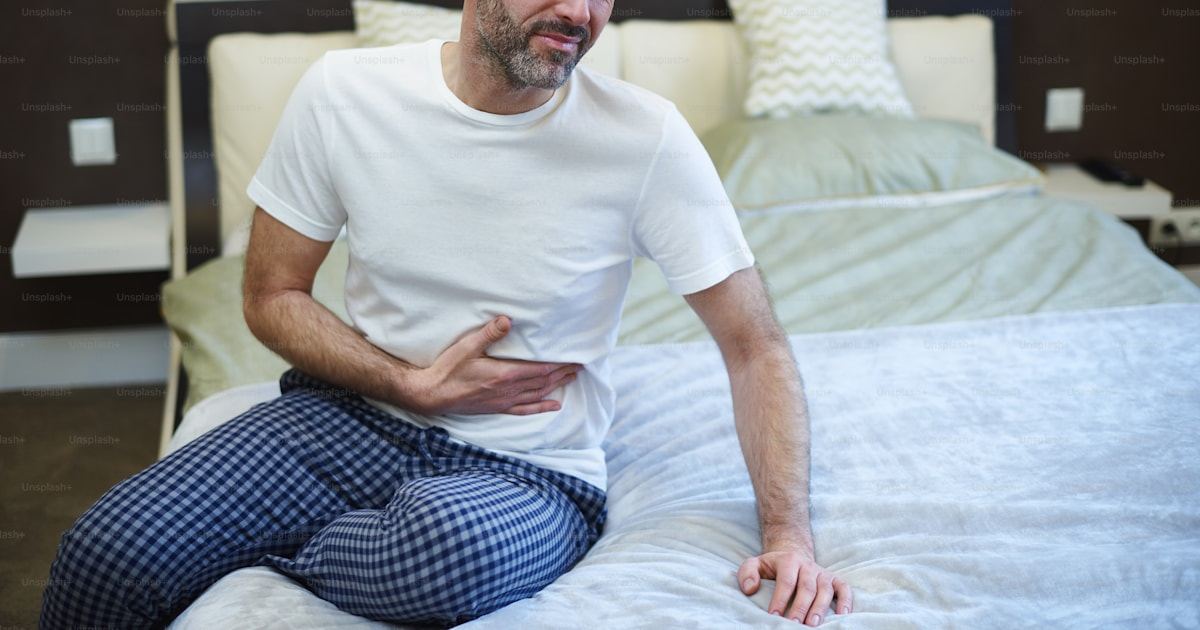
Chhattisgarh sits inside what doctors informally call India's stone belt, and the reason is not mysterious. Long hot months, outdoor work, heavy sweating and too little water produce concentrated urine, and concentrated urine is where stones form. What makes kidney stones worth writing about is not how common they are, but how often the early kidney stone symptoms in Ambikapur get treated as ordinary back pain for weeks — with painkillers, oil massage and rest — while a stone quietly obstructs a kidney. This guide covers what the pain actually feels like, what causes stones, and the specific point at which it stops being something to manage at home.
Why Kidney Stones Are Common Across Chhattisgarh's Hot Months
Stones form when the minerals dissolved in urine become concentrated enough to crystallise. Everything about a hot working summer here pushes in that direction.
- Heavy sweating with low fluid replacement. Fluid lost through sweat is not lost through urine, so the kidneys produce a smaller volume of far more concentrated urine.
- Outdoor and field work through the hottest part of the day, often without easy access to drinking water.
- Hard groundwater in many areas, higher in dissolved minerals.
- Dietary patterns high in salt and, in some households, high in oxalate-rich foods without enough calcium at the same meal.
- Recurrence. Anyone who has had one stone has a substantially higher chance of forming another, and most people are never told this at discharge.
"The kidney does not complain when it is losing water. It just makes less urine, more concentrated. The stone is the receipt."
The Early Symptoms People Mistake for Back Pain
A stone sitting quietly inside the kidney often causes nothing at all. Symptoms usually begin when it moves into the ureter, the narrow tube to the bladder, and blocks the flow of urine.
Renal colic — the pattern that distinguishes it
- Pain starting in the flank, the side of the back between the lower ribs and the hip
- Coming in severe waves lasting twenty minutes to an hour, rather than as a constant ache
- Radiating downwards and forwards towards the groin, and into the testicle or labia as the stone descends
- Unrelieved by position. This is the key difference from muscular or spinal back pain, which usually eases in some position. Stone pain does not, and sufferers pace and shift constantly
- With nausea and vomiting, because the kidney and gut share nerve supply
- Sweating, restlessness and an inability to sit still
Other signs worth noticing
- Blood in the urine — visibly pink, red or brown, or found only on testing
- Burning or painful urination, and a persistent urge to pass urine with only small amounts coming out. Our guide on burning urination and its causes covers the overlap with infection
- Cloudy or foul-smelling urine, which suggests infection alongside the stone
- Passing gravel or a visible small stone
- Pain that shifts location over hours or days as the stone moves down the ureter
| Kidney stone (renal colic) | Muscular or spinal back pain | |
|---|---|---|
| Onset | Sudden, often at night or early morning | Usually after lifting, bending or a period of strain |
| Character | Severe waves, cannot get comfortable | Ache or stiffness, eases in certain positions |
| Radiation | Flank down to the groin and genitals | Across the back, or down the leg if a nerve is involved |
| Effect of movement | No consistent relief in any position | Typically worse with specific movements, better with rest |
| Associated features | Vomiting, blood in urine, burning urination | Local tenderness, muscle spasm, stiffness on waking |
If your back pain fits the right-hand column, our article on when back pain is considered serious is the more relevant read.
What Actually Causes Stones to Form
Stones are not all the same, and the type determines the prevention advice.
| Type | Share of stones | Main drivers |
|---|---|---|
| Calcium oxalate | Most common by far | Low fluid intake, high salt, high oxalate foods, low dietary calcium |
| Calcium phosphate | Less common | Alkaline urine, certain kidney and parathyroid conditions |
| Uric acid | Notable minority | Acidic urine, high purine diet, gout, obesity, diabetes |
| Struvite | Uncommon | Repeated urinary infections; can grow very large |
| Cystine | Rare | An inherited metabolic disorder; usually starts young |
Risk factors that add up
- Chronically low fluid intake and hot-weather outdoor work
- A high-salt diet, which raises calcium excretion in urine
- High animal protein intake, which raises uric acid and lowers urinary citrate
- Obesity, type 2 diabetes and metabolic syndrome
- Gout, or a family history of stones
- Recurrent urinary tract infections
- Prolonged immobility, and some medicines and supplements including excessive vitamin C
- Bowel disease or previous bowel surgery affecting absorption
When Stone Pain Means You Need a Urologist Urgently
Most small stones pass on their own with fluids and pain relief. These situations do not wait:
| Warning sign | Why it is urgent |
|---|---|
| Fever or chills with the pain | An infected, obstructed kidney is a surgical emergency and can cause sepsis within hours |
| Not passing urine at all | Suggests obstruction of both kidneys or of a single functioning kidney |
| Pain not controlled by oral painkillers | Needs assessment and stronger analgesia |
| Persistent vomiting | Cannot keep fluids or medicines down; dehydration worsens everything |
| Heavy visible blood or clots in urine | Needs prompt evaluation |
| Only one functioning kidney, or a transplanted kidney | No reserve if that kidney is obstructed |
| Pregnancy, or known chronic kidney disease | Requires specialist management and modified imaging |
| Pain lasting more than 4–6 weeks | A stone that has not passed may be causing silent kidney damage |
The last point matters most. A stone can obstruct a kidney without severe pain, and a kidney under sustained back pressure loses function permanently over weeks. This is why "the pain stopped" is not the same as "the stone passed" — it needs confirming on a scan. Early warning signs of kidney trouble are covered in our guide to kidney failure symptoms and risk factors. Severe kidney impairment may need support from the dialysis centre in Ambikapur. For any emergency presentation, the 24-hour emergency department is the right place to go.
How Stones Are Diagnosed and Treated
Diagnosis
Urine testing for blood, crystals and infection; blood tests for kidney function, calcium and uric acid; an ultrasound of the kidneys, ureters and bladder as the usual first scan; and a low-dose non-contrast CT where the ultrasound is inconclusive, since it identifies size and position most precisely. Any stone that is passed should be sent for analysis, because knowing its composition shapes prevention.
Treatment, from conservative to surgical
- Watch and wait with medical expulsive therapy. Stones under about 5 mm often pass spontaneously with high fluid intake, pain relief and medication that relaxes the ureter. Urine is strained to catch the stone.
- Shock wave lithotripsy (ESWL). Focused shock waves from outside the body break the stone into fragments that pass in the urine. No incision.
- Ureteroscopy with laser. A fine telescope passes up through the urinary tract and a laser fragments the stone, which is then removed. No external cut. A temporary stent is often placed.
- Percutaneous nephrolithotomy (PCNL). For large or complex kidney stones, through a small track in the back.
- Emergency drainage. Where an obstructed kidney is infected, a stent or nephrostomy relieves pressure first and the stone is dealt with afterwards.
Preventing the Next One
Recurrence is common but far from inevitable, and prevention is mostly about fluid.
- Aim for pale straw-coloured urine. That is the real target, not a fixed number of glasses. In hot months and for outdoor workers, that usually means three litres a day or more.
- Drink through the day, including at night if you wake. Urine is most concentrated overnight.
- Cut salt sharply. This is the highest-yield dietary change for calcium stones.
- Add citrus. Lemon or lime in water raises urinary citrate, which inhibits stone formation.
- Keep normal dietary calcium, taken with meals.
- Moderate oxalate-heavy foods — spinach, beetroot, nuts, excessive tea — rather than eliminating them.
- Limit red meat and organ meat if you form uric acid stones. Our note on gout and uric acid pain is relevant here.
- Get a follow-up scan after treatment, and a metabolic evaluation if you form stones repeatedly.
Getting Assessed in Ambikapur
If you have had flank pain that came in waves, blood in your urine, or a stone found on a scan, get it assessed rather than assuming it has passed. Our urology department in Ambikapur provides laser stone treatment and urinary tract procedures, backed by laparoscopic surgical services, anaesthesia cover and the dialysis unit. Related reading includes kidney stone symptoms in men, kidney stone symptoms in women and gallstones and laparoscopic surgery, whose pain is often confused with stone pain. See our consultant team, all hospital departments, our insurance and scheme empanelments, or book an appointment here.
"Pain that stops is not proof that a stone has passed. Only a scan is. That distinction is what saves kidneys."
Watch: Related Videos
Related health videos from the Sankalp Hospital YouTube channel.
 Dr Ankita Goyal talk On Dialysis procedure at Sankalp Hospital
 Sankalp Unveils State-of-the-Art Dialysis Facility
Frequently Asked Questions
Related Articles